Your Body Deserves Just as Much Care as Your Baby
Congratulations, mama. You just grew and birthed a human being. Your body performed one of the most incredible feats possible, and now you're in the thick of newborn life—sleepless nights, endless feedings, diaper changes, and trying to figure out what all those different cries mean. In the midst of caring for this tiny person who depends on you for everything, there's one person whose needs often get completely overlooked: you.
You're probably surviving on crackers grabbed between feedings, cold coffee reheated three times, and whatever someone brings you. You're exhausted, your body is healing from major physical trauma (yes, even if you had an 'easy' birth), and you might be feeling depleted, overwhelmed, and wondering if you'll ever feel like yourself again.
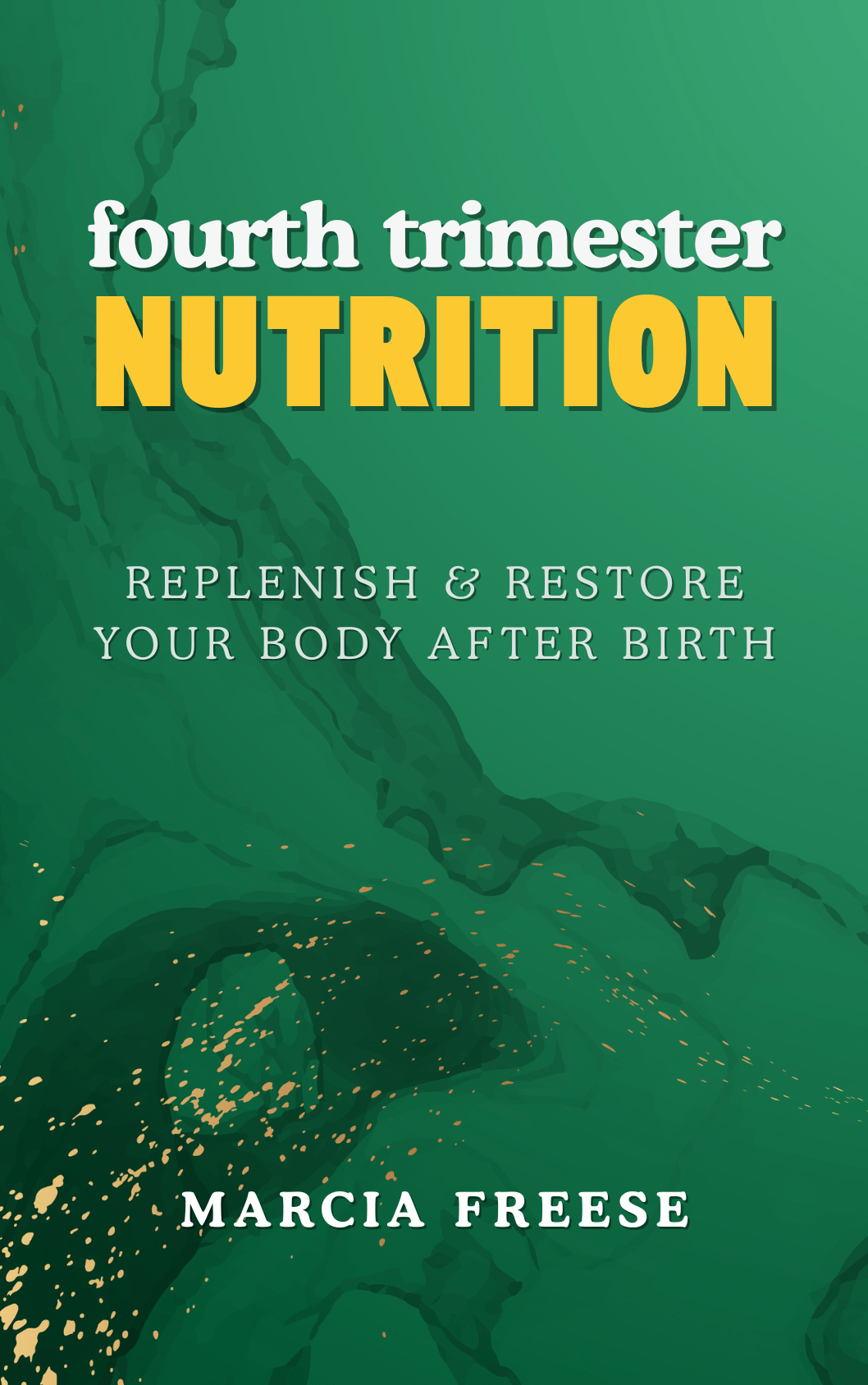
Here's what you need to know: Your body needs proper nutrition to heal, recover, and support you through this demanding time. The fourth trimester—those first three months after birth—is when your body is working overtime to repair tissues, balance hormones, produce milk (if breastfeeding), and adjust to massive physiological changes. Fourth Trimester Nutrition: Replenish and Restore Your Body After Birth is your essential guide to nourishing yourself during this critical recovery period.
Understanding the Fourth Trimester: What Your Body Is Going Through
The fourth trimester is a real, physiological period of recovery and adjustment that deserves just as much attention as pregnancy.
The Physical Recovery Process
What's Happening in Your Body
- Uterine involution: Your uterus shrinking from watermelon-sized back to pear-sized
- Tissue repair: Healing from vaginal tearing, episiotomy, or C-section incision
- Hormonal shifts: Dramatic drops in estrogen and progesterone
- Blood volume changes: Returning to pre-pregnancy levels
- Lactation establishment: If breastfeeding, your body is producing milk
- Bone density changes: Calcium mobilization for milk production
- Immune system recalibration: Returning to normal function
Nutritional Depletion After Birth
Pregnancy and birth deplete your body of critical nutrients:
- Iron: Lost through blood loss during delivery
- Calcium: Used for baby's bone development and milk production
- B vitamins: Depleted by stress and increased metabolic demands
- Vitamin D: Essential for mood, immunity, and bone health
- Omega-3 fatty acids: Critical for brain health and mood regulation
- Protein: Needed for tissue repair and milk production
- Zinc: Important for immune function and wound healing
Why Postpartum Nutrition Matters
For Your Physical Recovery
- Faster healing of tissues and incisions
- Reduced risk of postpartum complications
- Better energy levels despite sleep deprivation
- Stronger immune system
- Improved physical stamina for baby care
For Your Mental Health
- Nutrient deficiencies contribute to postpartum depression and anxiety
- Blood sugar stability affects mood and emotional regulation
- Omega-3s support brain health and reduce depression risk
- Proper nutrition supports stress hormone regulation
For Breastfeeding Success
- Adequate calories support milk production
- Nutrient-dense foods improve milk quality
- Hydration is essential for supply
- Certain nutrients transfer directly to baby through milk
Essential Nutrients for Postpartum Recovery
Let's break down what your body needs and why.
Iron: Rebuilding Your Blood Supply
Why You Need It
- Replace blood lost during delivery
- Prevent postpartum anemia
- Support energy levels
- Reduce fatigue and weakness
Best Food Sources
- Red meat (beef, lamb)
- Organ meats (liver—if you can stomach it)
- Dark leafy greens (spinach, kale)
- Lentils and beans
- Fortified cereals
- Pumpkin seeds
Absorption Tips
- Pair with vitamin C for better absorption
- Avoid tea and coffee with iron-rich meals
- Cook in cast iron pans
- Consider supplementation if levels are low
Protein: Building Blocks for Healing
Why You Need It
- Tissue repair and wound healing
- Milk production (if breastfeeding)
- Maintaining muscle mass
- Supporting immune function
- Stabilizing blood sugar
How Much You Need
- Non-breastfeeding: 0.8g per kg body weight
- Breastfeeding: Add 25g per day
- Aim for protein at every meal and snack
Easy Protein Sources
- Eggs (quick and versatile)
- Greek yogurt
- Chicken and turkey
- Fish (especially fatty fish)
- Nuts and nut butters
- Beans and lentils
- Cheese and cottage cheese
- Protein smoothies
Omega-3 Fatty Acids: Brain and Mood Support
Why They're Critical
- Reduce postpartum depression risk
- Support brain health and cognitive function
- Reduce inflammation
- Support baby's brain development (through breast milk)
- Help regulate mood and emotions
Best Sources
- Fatty fish (salmon, sardines, mackerel)
- Walnuts
- Flaxseeds and chia seeds
- Algae-based supplements (if vegetarian)
- Fish oil supplements (check quality)
Calcium and Vitamin D: Bone Health
Why You Need Them
- Prevent bone density loss
- Support milk production
- Mood regulation (vitamin D)
- Immune function
Food Sources
- Dairy products (milk, yogurt, cheese)
- Fortified plant milks
- Leafy greens
- Canned fish with bones (sardines, salmon)
- Sunlight exposure for vitamin D
- Vitamin D supplements (most people need them)
B Vitamins: Energy and Mood
Why They Matter
- Energy production
- Nervous system function
- Mood regulation
- Red blood cell formation
Key B Vitamins
- B12: Meat, fish, eggs, dairy (supplement if vegetarian)
- Folate: Leafy greens, legumes, fortified grains
- B6: Poultry, fish, potatoes, chickpeas
Practical Meal Planning for Exhausted New Moms
Theory is great, but you need practical strategies when you're running on two hours of sleep.
The Postpartum Meal Planning Strategy
Prep Before Baby Arrives
- Stock freezer with pre-made meals
- Prep breakfast items (overnight oats, egg muffins)
- Create a list of easy meals for others to make
- Stock pantry with healthy staples
- Set up grocery delivery accounts
One-Handed Eating Essentials
Because you'll often be holding a baby:
- Energy balls or protein balls
- Trail mix with nuts and dried fruit
- Cheese sticks or cubes
- Hard-boiled eggs
- Smoothies (drink with a straw)
- Granola bars (choose nutrient-dense ones)
- Apple slices with nut butter
- Yogurt cups
Quick, Nourishing Recipes
5-Minute Breakfast Ideas
- Overnight oats: Prep night before with oats, milk, chia seeds, fruit
- Smoothie bowl: Blend frozen fruit, protein powder, greens, top with nuts
- Avocado toast: Whole grain bread, mashed avocado, egg, everything bagel seasoning
- Greek yogurt parfait: Yogurt, granola, berries, honey
Crockpot Lifesavers
- Chicken and vegetable soup
- Beef stew with root vegetables
- Pulled chicken for easy protein
- Lentil curry
- Chili loaded with beans and vegetables
Freezer-Friendly Meals
- Lasagna (make 2-3, freeze extras)
- Breakfast burritos
- Muffins (savory and sweet)
- Soups and stews
- Casseroles
- Cookie dough (for emergency treats)
Meal Planning for Breastfeeding Mothers
Additional Calorie Needs
- Add 450-500 calories per day
- Focus on nutrient density, not empty calories
- Eat when hungry—your body knows what it needs
- Don't restrict calories while establishing supply
Foods That Support Milk Production
- Oats (oatmeal, overnight oats, lactation cookies)
- Flaxseeds and brewer's yeast
- Nuts and seeds
- Leafy greens
- Whole grains
- Adequate protein and healthy fats
Hydration for Milk Supply
- Drink to thirst—your body will signal needs
- Keep water bottle with you always
- Drink a glass of water with each feeding
- Herbal teas (check safety while breastfeeding)
- Coconut water for electrolytes
- Limit caffeine (moderate amounts are fine)
Managing Postpartum Depletion
Many women experience severe nutrient depletion that affects energy, mood, and recovery.
Signs of Postpartum Depletion
- Extreme fatigue beyond normal new mom tiredness
- Hair loss (beyond normal postpartum shedding)
- Brittle nails
- Brain fog and memory issues
- Mood swings or depression
- Difficulty losing weight or unexplained weight gain
- Frequent illness
- Slow wound healing
Replenishment Strategies
Nutrient-Dense Eating
- Focus on whole, unprocessed foods
- Eat the rainbow—variety of colorful vegetables
- Include protein at every meal
- Don't skip meals (even when busy)
- Choose nutrient-dense snacks
Strategic Supplementation
Work with your healthcare provider on:
- Continuing prenatal vitamins
- Iron supplementation if anemic
- Vitamin D (most people need 2000-4000 IU)
- Omega-3 supplements
- Probiotics for gut health
- B-complex if energy is very low
Blood Sugar Stability
Why It Matters
- Prevents energy crashes
- Stabilizes mood
- Reduces anxiety
- Supports milk supply
- Prevents overeating later
How to Maintain Stable Blood Sugar
- Eat every 2-3 hours
- Combine protein, fat, and complex carbs
- Avoid sugary foods on empty stomach
- Don't skip breakfast
- Keep healthy snacks accessible
Supplements and What Really Works
Supplements can help, but food should be your foundation.
Essential Supplements for Most New Moms
Prenatal Vitamin
- Continue taking through breastfeeding
- Provides baseline nutrition insurance
- Look for methylated forms of B vitamins
- Take with food to reduce nausea
Vitamin D
- Most people are deficient
- Critical for mood and immunity
- 2000-4000 IU daily for most
- Get levels tested if possible
Omega-3 (DHA/EPA)
- 1000mg combined DHA/EPA daily
- Choose quality, tested brands
- Especially important if you don't eat fish
- Supports mood and reduces inflammation
Supplements to Consider
Iron
- If you're anemic or had significant blood loss
- Take with vitamin C, away from calcium
- May cause constipation—increase fiber and water
Probiotics
- Support gut health and immunity
- May reduce baby's colic
- Choose multi-strain formulas
Magnesium
- Supports sleep and relaxation
- Helps with constipation
- Reduces muscle tension
- Take before bed
Self-Care Through Nutrition
Nourishing yourself is an act of self-care and love.
Letting Go of Diet Culture
Your Body Just Did Something Amazing
- This is not the time to diet or restrict
- Your body needs nourishment to heal
- Weight loss will happen naturally with time
- Focus on health, not appearance
- Be gentle with yourself
Rejecting Postpartum Diet Pressure
- Ignore 'bounce back' culture
- Your body changed to grow a human—that's incredible
- Healing takes time (9 months up, 9 months down—at least)
- Restrictive dieting can harm milk supply and recovery
- Nourishment over deprivation
Asking for and Accepting Help
Meal Train Suggestions
When people ask how they can help:
- Request specific meals
- Ask for freezer-friendly options
- Request grocery delivery gift cards
- Accept prepared meals gratefully
- Don't feel guilty about needing help
Partner Support
- Share meal planning and prep
- Take turns cooking or order out
- Keep healthy snacks stocked
- Bring you water and snacks while feeding
- Handle grocery shopping
Your Fourth Trimester Nutrition Plan
Your body just performed a miracle. Now it needs proper fuel to heal, recover, and support you through the demanding work of caring for a newborn. Fourth Trimester Nutrition: Replenish and Restore Your Body After Birth provides:
- Complete guide to postpartum nutritional needs
- Foods that support healing and energy
- Practical meal plans for busy new moms
- Quick, nourishing recipes you can actually make
- Supplement guidance for recovery
- Strategies for managing postpartum depletion
- Special nutrition for breastfeeding mothers
- Permission to prioritize your own nourishment
As an instant digital download, you can start nourishing your recovery today. No more surviving on crackers and cold coffee. No more putting your needs last. No more wondering if you'll ever feel like yourself again.
Nourish Your Recovery Starting Today
You deserve to feel strong, energized, and healthy as you navigate new motherhood. Your body deserves the same care and attention you're giving your baby.
Ready to replenish and restore your body? Get your instant digital download of Fourth Trimester Nutrition: Replenish and Restore Your Body After Birth and start your healing journey today.
Your body did something incredible. Now give it the nutrition it needs to recover, heal, and thrive.
Note: This guide provides nutritional information and should not replace medical advice. Always consult with your healthcare provider about your specific nutritional needs, especially if you have medical conditions, complications, or concerns about your recovery.