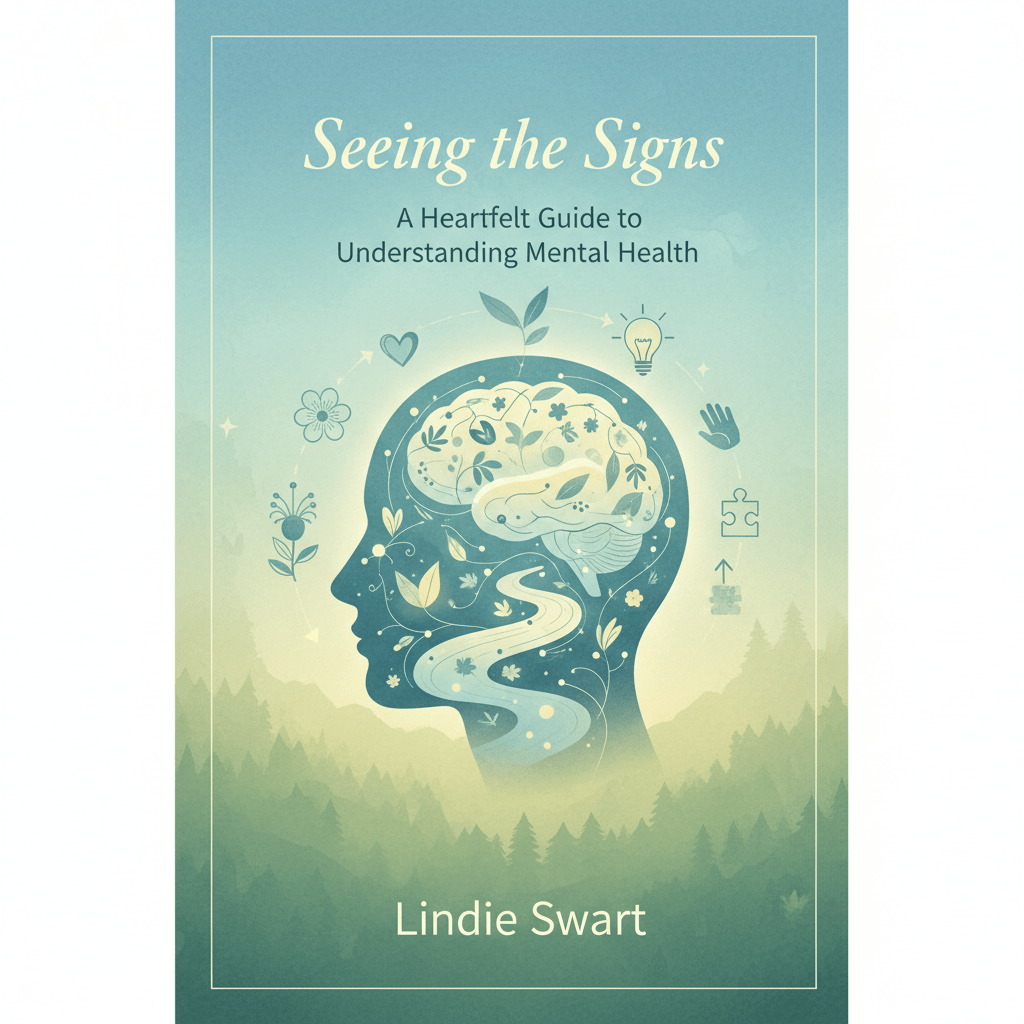
Mental Health Matters—And Recognizing the Signs Can Save Lives
Mental health challenges don't always announce themselves clearly. They often start subtly—a friend who's been quieter than usual, a family member withdrawing from activities they once loved, or your own persistent feelings that something just isn't right. Maybe you've noticed changes in yourself or someone you care about but aren't sure if it's 'serious enough' to worry about, or you want to help but don't know how to start the conversation.
Understanding mental health begins with recognizing the signs before they escalate into crisis. Whether you're concerned about your own mental wellness or want to support a loved one, knowing what to look for and when to take action can make all the difference. Early intervention dramatically improves outcomes for mental health conditions, yet many people suffer in silence because they—or those around them—don't recognize the warning signs.
Seeing the Signs: A Guide to Understanding Mental Health provides clear, compassionate information to help you identify mental health concerns early, understand when professional support is needed, and take meaningful action to help yourself or someone you love.
Understanding Mental Health vs. Mental Illness
Clarity about these concepts helps reduce stigma and encourages help-seeking.
What Is Mental Health?
Mental health is more than the absence of mental illness—it's a state of wellbeing where you can:
- Cope with normal life stresses
- Work or study productively
- Realize your potential
- Contribute to your community
- Maintain healthy relationships
- Make sound decisions
Everyone has mental health, just like everyone has physical health. It exists on a spectrum and can fluctuate throughout life.
Mental Health vs. Mental Illness
Mental Health
- Universal—everyone has it
- Exists on a continuum
- Can be good or poor
- Influenced by many factors
- Can be maintained and improved
Mental Illness
- Diagnosable condition
- Affects thoughts, emotions, or behavior
- Causes distress or impairment
- Requires professional treatment
- Can be managed with proper care
You can have poor mental health without having a mental illness, and you can have a mental illness while maintaining good overall mental health with proper treatment and support.
Common Mental Health Conditions
Understanding different conditions helps you recognize specific patterns.
Depression
What It Is
More than just sadness, depression is a persistent mood disorder affecting how you feel, think, and function.
Common Signs
- Emotional: Persistent sadness, emptiness, hopelessness, irritability
- Cognitive: Difficulty concentrating, making decisions, remembering things
- Physical: Changes in sleep, appetite, energy levels, unexplained aches
- Behavioral: Withdrawing from activities, isolating from others, neglecting responsibilities
- Thoughts: Negative self-talk, worthlessness, thoughts of death or suicide
Anxiety Disorders
What They Are
Excessive worry or fear that interferes with daily life, including generalized anxiety, panic disorder, social anxiety, and specific phobias.
Common Signs
- Mental: Constant worry, racing thoughts, difficulty controlling anxiety
- Physical: Rapid heartbeat, sweating, trembling, shortness of breath, nausea
- Behavioral: Avoidance of triggering situations, restlessness, difficulty sleeping
- Cognitive: Difficulty concentrating, mind going blank, catastrophic thinking
Bipolar Disorder
What It Is
Characterized by extreme mood swings between manic/hypomanic episodes and depressive episodes.
Common Signs
Manic/hypomanic episodes:
- Elevated or irritable mood
- Increased energy and activity
- Decreased need for sleep
- Racing thoughts and rapid speech
- Impulsive or risky behavior
- Inflated self-esteem
Depressive episodes:
- Similar to major depression symptoms
- May alternate with manic episodes
Post-Traumatic Stress Disorder (PTSD)
What It Is
Develops after experiencing or witnessing a traumatic event.
Common Signs
- Re-experiencing: Flashbacks, nightmares, intrusive memories
- Avoidance: Avoiding reminders of trauma
- Negative changes: Negative thoughts about self or world, emotional numbness
- Hyperarousal: Being easily startled, hypervigilant, difficulty sleeping
Eating Disorders
What They Are
Serious conditions involving unhealthy eating behaviors and distorted body image, including anorexia, bulimia, and binge eating disorder.
Common Signs
- Preoccupation with food, weight, or body shape
- Extreme restriction or binge eating
- Excessive exercise
- Purging behaviors
- Significant weight changes
- Social withdrawal around meals
Substance Use Disorders
What They Are
Inability to control use of substances despite negative consequences.
Common Signs
- Using more or longer than intended
- Unsuccessful attempts to cut down
- Spending significant time obtaining or using
- Cravings and withdrawal symptoms
- Neglecting responsibilities
- Continued use despite problems
Warning Signs to Watch For
Early recognition allows for earlier intervention and better outcomes.
Emotional Warning Signs
- Persistent sadness, anxiety, or emptiness
- Extreme mood swings
- Excessive fears or worries
- Withdrawal from friends and activities
- Inability to cope with daily problems
- Feeling disconnected or numb
- Unusual anger, hostility, or violence
Behavioral Warning Signs
- Changes in eating or sleeping patterns
- Withdrawing from people and usual activities
- Low or no energy
- Feeling numb or like nothing matters
- Unexplained aches and pains
- Increased use of alcohol or drugs
- Displaying uncharacteristic emotions
- Confusion, forgetfulness, irritability
- Inability to perform daily tasks
Cognitive Warning Signs
- Difficulty concentrating or making decisions
- Memory problems
- Confused thinking
- Inability to understand or relate to others
- Paranoia or hearing voices
- Thoughts of self-harm or harming others
Physical Warning Signs
- Significant weight changes
- Chronic fatigue or low energy
- Sleep disturbances (too much or too little)
- Unexplained physical ailments
- Neglecting personal hygiene
- Changes in sex drive
Normal Stress vs. Serious Concern
Understanding the difference helps you know when to seek help.
Normal Stress Response
Characteristics
- Related to specific stressor
- Improves when stressor is resolved
- Doesn't significantly impair functioning
- Manageable with self-care and support
- Temporary and situational
Examples
- Feeling anxious before a big presentation
- Sadness after a breakup or loss
- Stress during busy periods at work or school
- Worry about a sick family member
When It Becomes a Concern
Red Flags
- Duration: Symptoms lasting more than 2 weeks
- Intensity: Symptoms are severe or overwhelming
- Impairment: Interfering with work, school, or relationships
- Persistence: Not improving with time or self-care
- Multiple areas: Affecting several aspects of life
- Worsening: Symptoms getting worse over time
Crisis Warning Signs
Immediate professional help needed if experiencing:
- Thoughts of suicide or self-harm
- Plans or means to harm self or others
- Hearing voices or seeing things others don't
- Inability to care for self
- Severe panic or anxiety attacks
- Psychotic symptoms (delusions, hallucinations)
- Substance overdose or severe withdrawal
Self-Assessment and Awareness
Regular mental health check-ins help you catch problems early.
Mental Health Self-Assessment Questions
Mood and Emotions
- How would you describe your mood most days?
- Do you experience extreme mood swings?
- Do you feel hopeless or worthless?
- Do you feel anxious or worried most of the time?
- Can you experience joy or pleasure?
Daily Functioning
- Can you complete daily tasks and responsibilities?
- Are you maintaining personal hygiene?
- Can you concentrate and make decisions?
- Are you able to work or study effectively?
- Can you maintain relationships?
Physical Health
- How is your sleep quality and quantity?
- Have you noticed changes in appetite or weight?
- Do you have energy for daily activities?
- Are you experiencing unexplained physical symptoms?
Coping and Behavior
- How do you cope with stress?
- Are you using substances to cope?
- Have you withdrawn from activities you used to enjoy?
- Are you isolating from friends and family?
Thoughts
- Do you have thoughts of harming yourself or others?
- Do you experience intrusive or disturbing thoughts?
- Can you control your thoughts or do they race?
When Multiple 'Yes' Answers Indicate Concern
- Several symptoms present simultaneously
- Symptoms lasting more than two weeks
- Symptoms interfering with daily life
- Symptoms causing significant distress
- Any thoughts of self-harm or suicide
Supporting Someone with Mental Health Concerns
How to help when you're worried about someone you love.
Recognizing Signs in Others
What to Look For
- Changes in personality or behavior
- Withdrawal from social activities
- Decline in performance at work or school
- Neglecting appearance or hygiene
- Expressing hopelessness or worthlessness
- Giving away possessions
- Saying goodbye as if they won't be seen again
How to Start the Conversation
Do's
- Choose the right time and place: Private, quiet, when you both have time
- Express concern specifically: 'I've noticed you seem withdrawn lately'
- Listen without judgment: Let them share at their own pace
- Validate their feelings: 'That sounds really difficult'
- Offer support: 'I'm here for you. How can I help?'
- Encourage professional help: 'Have you thought about talking to someone?'
Don'ts
- Don't minimize: 'Just think positive' or 'Others have it worse'
- Don't give unsolicited advice: 'You should just...'
- Don't make it about you: 'I know exactly how you feel'
- Don't pressure them to talk if they're not ready
- Don't promise to keep secrets if they're in danger
- Don't try to fix everything yourself
Providing Ongoing Support
- Check in regularly
- Offer practical help (meals, errands, childcare)
- Include them in activities without pressure
- Respect their boundaries
- Educate yourself about their condition
- Take care of your own mental health
- Be patient—recovery takes time
When and How to Seek Professional Help
Knowing when and how to get help is crucial.
When to Seek Help
- Symptoms lasting more than 2 weeks
- Symptoms interfering with daily life
- Unable to cope with daily stressors
- Relationships suffering
- Work or school performance declining
- Using substances to cope
- Friends or family expressing concern
- Previous mental health issues returning
- Any thoughts of self-harm
Types of Mental Health Professionals
Psychiatrist
- Medical doctor specializing in mental health
- Can prescribe medication
- Provides diagnosis and treatment
Psychologist
- Doctoral degree in psychology
- Provides therapy and psychological testing
- Cannot prescribe medication (in most states)
Licensed Therapist/Counselor
- Master's degree in counseling or social work
- Provides talk therapy
- Various specialties and approaches
Psychiatric Nurse Practitioner
- Advanced practice nurse
- Can prescribe medication
- Provides therapy and medication management
How to Find Help
Starting Points
- Primary care doctor for referrals
- Insurance provider directory
- Psychology Today therapist finder
- SAMHSA treatment locator
- Employee Assistance Program (EAP)
- University counseling centers (for students)
- Community mental health centers
What to Ask When Choosing a Provider
- What is your experience with [specific concern]?
- What therapeutic approaches do you use?
- Do you accept my insurance?
- What are your fees and payment options?
- What is your availability?
- Do you offer virtual sessions?
Crisis Resources
Immediate Help
- National Suicide Prevention Lifeline: 988 (call or text)
- Crisis Text Line: Text HOME to 741741
- SAMHSA National Helpline: 1-800-662-4357
- Emergency: 911 or go to nearest emergency room
Specialized Support
- Veterans Crisis Line: 988, then press 1
- LGBTQ+ Trevor Project: 1-866-488-7386 or text START to 678678
- RAINN Sexual Assault Hotline: 1-800-656-4673
- National Domestic Violence Hotline: 1-800-799-7233
Taking Care of Your Mental Health
Proactive strategies for maintaining mental wellness.
Daily Mental Health Practices
- Regular sleep schedule (7-9 hours)
- Physical activity (30 minutes most days)
- Balanced nutrition
- Social connection
- Stress management techniques
- Limiting alcohol and avoiding drugs
- Engaging in enjoyable activities
- Practicing gratitude
Building Resilience
- Develop strong relationships
- Accept that change is part of life
- Take decisive action on problems
- Maintain perspective during challenges
- Practice self-compassion
- Learn from past experiences
When to Reassess
- Major life changes or stressors
- Symptoms returning or worsening
- Difficulty coping with daily life
- Relationship or work problems
- Physical health changes
Your Mental Health Awareness Toolkit
Understanding mental health and recognizing warning signs empowers you to take action for yourself or support someone you love. Early intervention makes a significant difference in outcomes and recovery. Seeing the Signs: A Guide to Understanding Mental Health provides:
- Comprehensive overview of common mental health conditions
- Clear warning signs and symptoms to watch for
- Tools to differentiate normal stress from serious concerns
- Self-assessment checklists
- Guidance on supporting loved ones
- Clear information on when and how to seek help
- Resources for crisis situations
- Compassionate, stigma-free information
As an instant digital download, you can access this essential information anytime you need it. No more wondering if something is 'serious enough' to worry about. No more feeling helpless when someone you love is struggling. No more delaying help because you're not sure what to do.
Recognize the Signs and Take Action Today
Mental health matters. Recognizing the signs early can save lives, reduce suffering, and improve outcomes. Whether you're concerned about yourself or someone you love, having the right information empowers you to take meaningful action.
Ready to understand mental health and recognize warning signs? Get your instant digital download of Seeing the Signs: A Guide to Understanding Mental Health and equip yourself with the knowledge to help yourself or someone you care about.
You don't have to navigate mental health concerns alone. Understanding the signs is the first step toward getting help and feeling better.
Crisis Resources: If you or someone you know is in crisis or having thoughts of suicide, please reach out immediately. Call or text 988 (Suicide and Crisis Lifeline), text HOME to 741741 (Crisis Text Line), or call 911. Help is available 24/7.