Your Brain Works Differently—And That's Why You're Exhausted
If you're a neurodivergent teen—whether you have ADHD, autism, or another brain difference—you probably know what it feels like to be completely, utterly exhausted in a way that sleep doesn't fix. You're running on empty, masking all day to fit in, managing sensory overload, dealing with executive dysfunction, navigating social situations that drain you, and trying to meet expectations designed for neurotypical brains.
Maybe you've hit a wall where you can't do the things you normally do, you're shutting down more frequently, everything feels overwhelming, you've lost interest in things you used to love, or you're barely functioning despite everyone telling you to 'just try harder.' This isn't laziness or weakness—this is burnout, and it's incredibly common among neurodivergent teens.
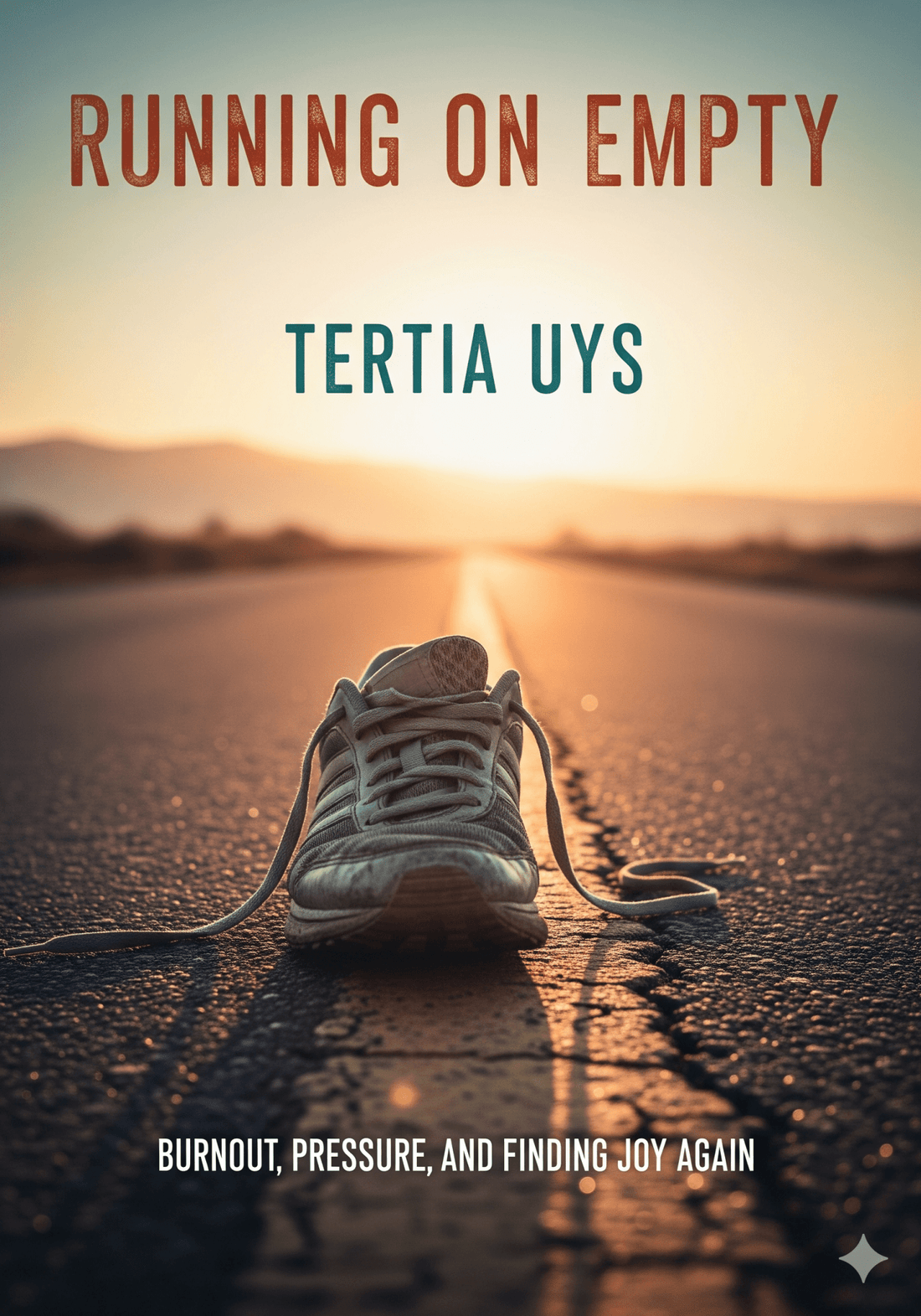
The truth is, your brain works differently, which means traditional advice about stress and self-care often doesn't work for you. You need strategies specifically designed for how your brain actually functions. Running on Empty: Neurodivergent Teen Burnout Guide provides practical, neurodivergent-friendly strategies to recognize burnout before you crash, manage your energy, and build sustainable routines that work with your brain, not against it.
Understanding Neurodivergent Burnout
Burnout in neurodivergent teens looks different than typical stress or exhaustion.
What Is Neurodivergent Burnout?
The Definition
Neurodivergent burnout is a state of physical, mental, and emotional exhaustion caused by the chronic stress of living in a world designed for neurotypical brains. It's what happens when you've been masking, compensating, and pushing yourself beyond your capacity for too long.
Why It's Different from Regular Burnout
- Masking exhaustion: Constantly hiding your neurodivergent traits takes enormous energy
- Sensory overload: Chronic overstimulation depletes your nervous system
- Executive dysfunction: Your brain's management system is overwhelmed
- Social exhaustion: Navigating neurotypical social rules is draining
- Longer recovery: Neurodivergent burnout often takes months to recover from, not just a weekend
Common Causes of Neurodivergent Burnout
Masking and Camouflaging
- Hiding stimming or other natural behaviors
- Forcing eye contact when it's uncomfortable
- Suppressing special interests
- Pretending to understand social cues you don't get
- Acting 'normal' all day at school
- Constantly monitoring and adjusting your behavior
Sensory Overload
- Fluorescent lights in classrooms
- Loud cafeterias and hallways
- Uncomfortable clothing textures
- Multiple conversations happening at once
- Strong smells or tastes
- Constant visual and auditory stimulation
Executive Function Demands
- Managing multiple classes and assignments
- Remembering deadlines and schedules
- Organizing materials and information
- Transitioning between activities
- Planning and prioritizing tasks
- Regulating emotions and impulses
Social Demands
- Navigating complex social hierarchies
- Understanding unwritten social rules
- Managing friendships and relationships
- Dealing with bullying or exclusion
- Performing in group settings
- Reading social cues and body language
Academic Pressure
- Teaching methods that don't match your learning style
- Expectations to sit still and focus for long periods
- Standardized testing
- Homework overload
- Pressure to perform at neurotypical pace
- Lack of accommodations or understanding
Recognizing the Signs of Burnout
Catching burnout early makes recovery easier.
Early Warning Signs
Physical Signs
- Constant fatigue that sleep doesn't fix
- More frequent headaches or body aches
- Getting sick more often
- Changes in appetite
- Sleep problems (too much or too little)
- Increased clumsiness or accidents
Cognitive Signs
- Brain fog or difficulty thinking clearly
- Worsening executive dysfunction
- Trouble with tasks that used to be easy
- Memory problems
- Difficulty making decisions
- Slower processing speed
Emotional Signs
- Feeling numb or emotionally flat
- Increased irritability or anger
- Crying more easily
- Feeling hopeless or helpless
- Loss of interest in special interests
- Increased anxiety or depression
Behavioral Signs
- Withdrawing from friends and activities
- Increased meltdowns or shutdowns
- More stimming or less ability to control it
- Difficulty masking
- Avoiding responsibilities
- Increased reliance on coping mechanisms
ADHD-Specific Burnout Signs
- Complete inability to start tasks (worse than usual)
- Losing ability to use coping strategies that normally work
- Extreme emotional dysregulation
- Hyperfocus disappearing
- Forgetting to do basic self-care
- Feeling like your brain has completely stopped working
Autism-Specific Burnout Signs
- Loss of skills you previously had
- Increased sensory sensitivity
- More frequent shutdowns
- Difficulty with speech or going nonverbal
- Need for more alone time and routine
- Regression in social abilities
Energy Management Strategies
Managing your energy is more important than managing your time.
Understanding Your Energy System
Spoon Theory
You start each day with a limited number of 'spoons' (units of energy):
- Every activity costs spoons
- Some activities cost more than others
- Neurodivergent people often start with fewer spoons
- Masking and sensory processing cost extra spoons
- Once you're out of spoons, you can't do more without consequences
Energy Accounting
Track what drains and restores your energy:
- High-cost activities: Socializing, masking, sensory-heavy environments, transitions
- Medium-cost activities: Schoolwork, chores, appointments
- Low-cost activities: Familiar routines, solo activities, special interests
- Energy-restoring activities: Stimming, special interests, alone time, sensory regulation
Practical Energy Management
Prioritization Strategies
- Must do: Non-negotiable tasks (school, basic self-care)
- Should do: Important but can be rescheduled
- Nice to do: Optional activities
- Don't do: Things you can eliminate or delegate
Pacing Yourself
- Don't use all your spoons in the morning
- Build in rest breaks between activities
- Alternate high-energy and low-energy tasks
- Know your limits and respect them
- It's okay to do less than neurotypical peers
Energy Recovery
- Schedule downtime, don't just hope for it
- Protect your alone time
- Engage in special interests guilt-free
- Allow yourself to stim
- Rest before you're completely depleted
Managing Specific Energy Drains
Reducing Masking
- Identify safe spaces where you can unmask
- Gradually reduce masking in low-stakes situations
- Find neurodivergent friends who accept you as you are
- Educate trusted people about your needs
- Remember: masking is survival, not lying
Sensory Regulation
- Identify your sensory triggers
- Use sensory tools (headphones, sunglasses, fidgets)
- Create sensory-friendly spaces
- Take sensory breaks
- Communicate sensory needs to others
Executive Function Support
- Use external systems (timers, alarms, checklists)
- Break tasks into tiny steps
- Reduce decision fatigue (routines, uniforms, meal prep)
- Use body doubling (working alongside someone)
- Accept that you need more support than neurotypicals
Sensory Regulation and Self-Care
Self-care for neurodivergent teens looks different.
Sensory Self-Care
Identifying Your Sensory Profile
- Sensory seeking: Need more input (movement, sound, touch)
- Sensory avoiding: Need less input (quiet, dim, minimal touch)
- Mixed profile: Seeking in some areas, avoiding in others
Sensory Regulation Tools
For sensory seekers:
- Weighted blankets or lap pads
- Chewy jewelry or gum
- Movement breaks (jumping, spinning, walking)
- Textured objects to touch
- Music or white noise
For sensory avoiders:
- Noise-canceling headphones
- Sunglasses or hat for light sensitivity
- Soft, comfortable clothing
- Quiet, dim spaces
- Minimal visual clutter
Neurodivergent-Friendly Self-Care
What Doesn't Work
Traditional self-care advice that often fails for neurodivergent teens:
- 'Just relax' (executive dysfunction makes this hard)
- Meditation (sitting still and clearing your mind may be impossible)
- Social self-care (when socializing is draining)
- Complex routines (too many steps to remember)
What Actually Works
- Special interests: Deep diving into what you love
- Stimming: Allowing natural self-regulation
- Parallel play: Being near people without interacting
- Routine and sameness: Predictability reduces stress
- Alone time: Recharging in solitude
- Movement: Physical activity that feels good
- Creative expression: Art, music, writing
Building Sustainable Routines
Routine Design for ADHD Brains
- Keep routines simple (3-5 steps max)
- Use visual reminders and checklists
- Build in flexibility for bad brain days
- Attach new habits to existing ones
- Use timers and alarms
- Accept that routines will break and that's okay
Routine Design for Autistic Brains
- Create detailed, predictable routines
- Use visual schedules
- Minimize transitions and changes
- Build in special interest time
- Include sensory regulation activities
- Prepare for disruptions in advance
Communicating Your Needs
Advocating for yourself is essential but hard.
Talking to Parents
What to Say
- 'I'm experiencing burnout and need support'
- 'I need accommodations at school'
- 'I need more downtime and less activities'
- 'I need help with [specific task]'
- 'I need you to understand that I'm not being lazy'
Showing, Not Just Telling
- Share articles or resources about neurodivergent burnout
- Keep a log of symptoms and struggles
- Explain spoon theory
- Be specific about what helps and what doesn't
Talking to Teachers
Requesting Accommodations
- Breaks during class
- Extended time on tests
- Quiet space for work
- Reduced homework load
- Alternative assignments
- Permission to use sensory tools
How to Advocate
- Email is often easier than in-person
- Be specific about what you need
- Explain how it helps you learn
- Bring parent or counselor support if needed
- Know your rights (504 plan, IEP)
Talking to Friends
Setting Boundaries
- 'I need to recharge alone tonight'
- 'I can't handle loud places right now'
- 'I need to leave early'
- 'I can't text back immediately'
- 'I need you to be direct with me'
Educating Friends
- Share what neurodivergence means for you
- Explain your needs without apologizing
- Help them understand burnout
- Appreciate friends who make an effort
Recovery from Burnout
Recovery takes time and intentional rest.
Immediate Recovery Steps
Reduce Demands
- Take time off school if possible
- Cancel non-essential activities
- Ask for help with responsibilities
- Lower your standards temporarily
- Focus only on absolute necessities
Increase Rest
- Sleep as much as you need
- Spend time in low-stimulation environments
- Engage in passive activities (watching shows, listening to music)
- Allow yourself to do 'nothing'
- Don't feel guilty about resting
Long-Term Recovery
Rebuilding Capacity
- Start with tiny activities
- Gradually increase demands
- Monitor for signs of re-burnout
- Build in more rest than you think you need
- Accept that recovery isn't linear
Preventing Future Burnout
- Learn your early warning signs
- Respect your limits
- Build sustainable routines
- Reduce masking where possible
- Prioritize energy management
- Get support and accommodations
When to Seek Professional Help
Sometimes you need more support than self-help can provide.
Signs You Need Professional Support
- Burnout lasting more than a few months
- Unable to function in daily life
- Severe depression or anxiety
- Thoughts of self-harm
- Complete loss of skills
- Family conflict about your needs
Types of Support
Therapy
- Look for neurodivergent-affirming therapists
- Occupational therapy for sensory and executive function
- CBT adapted for neurodivergent brains
- Support groups for neurodivergent teens
Medical Support
- Evaluation for accommodations (504, IEP)
- Medication for ADHD, anxiety, or depression
- Sleep support if needed
Resources
- Crisis Text Line: Text HOME to 741741
- National Suicide Prevention Lifeline: 988
- School counselor: Can help with accommodations
- Online communities: r/neurodivergent, r/ADHD, r/autism
Your Burnout Recovery Toolkit
You're not lazy, broken, or failing. You're a neurodivergent teen navigating a neurotypical world, and burnout is a natural consequence of that constant effort. Recovery is possible, and you deserve support. Running on Empty: Neurodivergent Teen Burnout Guide provides:
- Deep understanding of neurodivergent burnout
- Tools to recognize warning signs early
- Energy management strategies that work for your brain
- Sensory regulation and self-care techniques
- Scripts for communicating your needs
- Sustainable routines for ADHD and autistic brains
- Recovery strategies and prevention tools
- Validation that your struggles are real
As an instant digital download, you can start your recovery journey today. No more pushing through until you crash. No more believing you just need to try harder. No more running on empty.
Recharge and Recover Today
Your brain works differently, and that's not a flaw—it's just a different operating system. You deserve strategies that work with your brain, not against it.
Ready to recover from burnout and prevent future crashes? Get your instant digital download of Running on Empty: Neurodivergent Teen Burnout Guide and start building a sustainable life that honors how your brain actually works.
You don't have to keep running on empty. Rest, recovery, and sustainable energy management are possible.
Crisis Resources: If you're in crisis or having thoughts of self-harm or suicide, please reach out immediately. Text HOME to 741741 (Crisis Text Line), call or text 988 (Suicide and Crisis Lifeline), or tell a trusted adult. You matter, and help is available 24/7.