Your Introversion Is a Strength, Not a Weakness
If you're an introvert, you've probably heard it all: 'You're too quiet,' 'You need to speak up more,' 'Why don't you go out more?' 'You should be more outgoing.' You've likely been told—directly or indirectly—that there's something wrong with preferring deep conversations over small talk, needing alone time to recharge, thinking before speaking, and finding large social gatherings draining rather than energizing.
This constant messaging that you need to be different, more extroverted, more social, more outgoing has probably led to persistent self-doubt. You question whether you're good enough, wonder if you're missing out, feel guilty about needing alone time, and worry that your quiet nature is holding you back. You might even try to force yourself to be more extroverted, only to end up exhausted, inauthentic, and feeling like a failure.
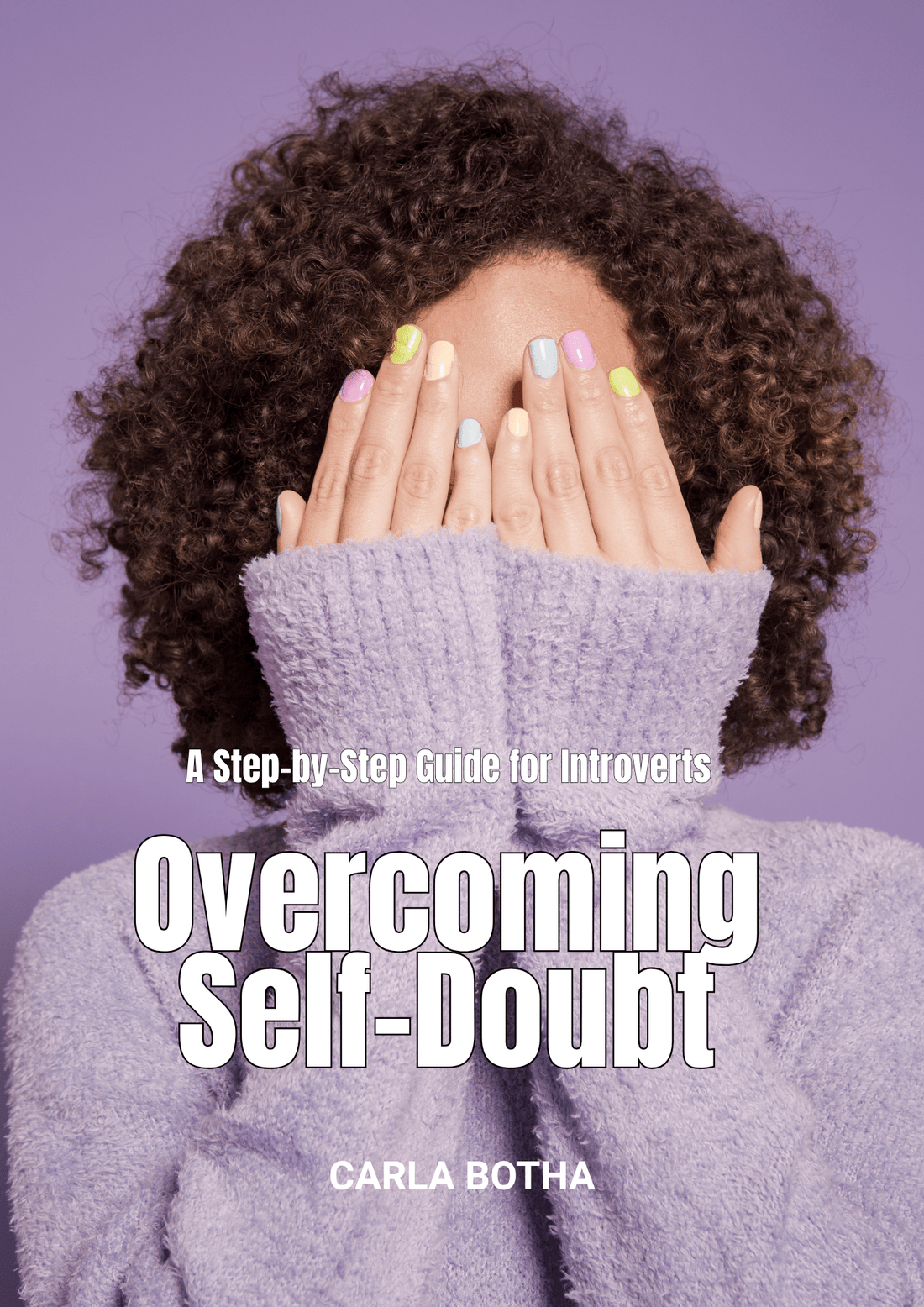
But here's the truth: Being an introvert is not a flaw to fix—it's a personality trait with unique strengths and gifts. The problem isn't your introversion; it's living in a world that often values extroversion and trying to fit into a mold that wasn't made for you. Overcoming Self-Doubt: A Guide for Introverts (plus FREE 366-page daily affirmations journal) helps you build authentic confidence, embrace your introvert strengths, and thrive without pretending to be someone you're not.
Understanding Introversion
Clarity about what introversion actually is helps you embrace it.
What Introversion Really Means
The Science
Introversion is about how you gain and expend energy:
- Introverts: Recharge through solitude, expend energy in social situations
- Extroverts: Recharge through social interaction, expend energy in solitude
- It's about energy management, not shyness or social skills
- It's a spectrum—most people aren't purely introverted or extroverted
- It's neurological—introverts' brains process stimulation differently
What Introversion Is NOT
- Shyness (that's social anxiety, which anyone can have)
- Being antisocial or disliking people
- Lacking social skills
- Being unfriendly or rude
- A disorder or problem to fix
- Something you can or should change
Common Introvert Traits
Energy and Stimulation
- Need alone time to recharge
- Prefer low-stimulation environments
- Feel drained after extensive socializing
- Enjoy quiet activities
- Need downtime between social events
Social Preferences
- Prefer deep conversations over small talk
- Enjoy one-on-one or small group interactions
- Like to observe before participating
- Think before speaking
- Listen more than talk
Work and Learning Style
- Prefer working independently
- Think deeply and thoroughly
- Focus well on complex tasks
- Like to prepare before meetings or presentations
- Process information internally
Understanding Self-Doubt in Introverts
Introverts face unique challenges that fuel self-doubt.
Why Introverts Experience More Self-Doubt
Living in an Extrovert-Biased World
- Society values extroverted traits (outgoing, talkative, social)
- Schools and workplaces reward extroverted behavior
- Quiet is often misinterpreted as lacking confidence
- Introversion is pathologized as something to overcome
- Success is often defined in extroverted terms
Constant Comparison
- Comparing your behind-the-scenes to others' highlight reels
- Feeling like you should be more social
- Wondering if you're missing out (FOMO)
- Believing extroverts have it easier
- Thinking something is wrong with you
Misunderstanding and Judgment
- Being called 'too quiet' or 'antisocial'
- Silence misinterpreted as unfriendliness
- Thoughtfulness seen as indecisiveness
- Need for alone time viewed as rejection
- Depth mistaken for intensity
Common Self-Doubt Patterns
Social Self-Doubt
- 'I'm boring because I don't talk much'
- 'People don't like me because I'm quiet'
- 'I should be more outgoing'
- 'There's something wrong with me for not enjoying parties'
Professional Self-Doubt
- 'I'll never succeed because I'm not a natural networker'
- 'I should speak up more in meetings'
- 'My ideas aren't as good because I don't share them immediately'
- 'I'm not leadership material because I'm introverted'
Personal Self-Doubt
- 'I'm missing out on life'
- 'I'm letting people down by needing alone time'
- 'I should want to be more social'
- 'There's something fundamentally wrong with me'
Embracing Your Introvert Strengths
Introverts have powerful strengths that deserve recognition.
Unique Introvert Superpowers
Deep Thinking and Reflection
- Process information thoroughly
- Consider multiple perspectives
- Make thoughtful decisions
- Develop innovative solutions
- Understand complex concepts
Listening and Observation
- Truly hear what others are saying
- Notice details others miss
- Understand people deeply
- Build meaningful connections
- Provide thoughtful responses
Focus and Concentration
- Work independently for extended periods
- Dive deep into projects
- Maintain sustained attention
- Produce high-quality work
- Master complex skills
Meaningful Relationships
- Build deep, authentic connections
- Invest in quality over quantity
- Create lasting friendships
- Offer genuine empathy
- Provide safe space for others
Creativity and Innovation
- Rich inner world
- Original thinking
- Creative problem-solving
- Artistic expression
- Innovative ideas
Reframing Perceived Weaknesses
From Weakness to Strength
- 'Too quiet' → Thoughtful and observant
- 'Antisocial' → Selective about relationships
- 'Slow to respond' → Considers before speaking
- 'Doesn't network' → Builds deep professional relationships
- 'Needs alone time' → Practices essential self-care
Building Authentic Confidence
Confidence for introverts looks different than extroverted confidence.
What Authentic Confidence Looks Like
For Introverts, Confidence Is:
- Accepting yourself as you are
- Honoring your needs without apology
- Speaking when you have something to say
- Being comfortable with silence
- Choosing quality over quantity in relationships
- Setting boundaries around your energy
- Pursuing goals in ways that work for you
What It's NOT:
- Becoming extroverted
- Forcing yourself to be social
- Talking more than feels natural
- Pretending to enjoy things you don't
- Ignoring your need for solitude
Strategies for Building Confidence
Self-Acceptance
- Acknowledge your introversion as valid
- Stop apologizing for who you are
- Recognize your strengths
- Accept your limitations without shame
- Celebrate your unique qualities
Challenging Negative Self-Talk
- Notice critical thoughts
- Question their validity
- Replace with realistic, compassionate thoughts
- Speak to yourself like a friend
- Focus on strengths, not just perceived weaknesses
Setting Boundaries
- Honor your need for alone time
- Say no to draining social obligations
- Communicate your needs clearly
- Don't over-explain or apologize
- Protect your energy
Playing to Your Strengths
- Pursue goals in introvert-friendly ways
- Use your listening and observation skills
- Leverage your depth and thoughtfulness
- Build on your ability to focus
- Create meaningful one-on-one connections
Quieting Your Inner Critic
The inner critic is especially loud for introverts.
Understanding Your Inner Critic
Where It Comes From
- Internalized societal messages
- Past criticism or rejection
- Comparison to extroverted ideals
- Perfectionism
- Fear of judgment
Techniques to Quiet the Critic
Cognitive Reframing
- Identify the critical thought
- Examine the evidence
- Consider alternative perspectives
- Replace with balanced thought
- Practice regularly
Self-Compassion Practice
- Treat yourself with kindness
- Recognize common humanity (everyone struggles)
- Practice mindfulness of difficult feelings
- Use self-compassion phrases
- Write yourself compassionate letters
Affirmations for Introverts
- 'My quiet nature is a strength'
- 'I honor my need for solitude'
- 'I contribute in meaningful ways'
- 'My depth is valuable'
- 'I am enough exactly as I am'
Thriving in Social Situations
You can navigate social situations authentically.
Social Strategies for Introverts
Before Social Events
- Prepare mentally and physically
- Set realistic expectations
- Plan your energy budget
- Identify exit strategies
- Prepare conversation topics
During Social Events
- Arrive early (fewer people, easier to settle in)
- Find a role (help with food, be the photographer)
- Seek out other introverts or one-on-one conversations
- Take breaks when needed
- Focus on quality interactions, not quantity
After Social Events
- Schedule recovery time
- Don't judge yourself for being tired
- Reflect on positive moments
- Recharge fully before next event
Small Talk Survival
Making It Easier
- Ask open-ended questions
- Listen actively (your strength!)
- Share selectively about yourself
- Steer toward deeper topics when possible
- Remember: it's okay to keep it brief
Conversation Starters
- 'What's been the best part of your week?'
- 'What are you working on that excites you?'
- 'What do you like to do in your free time?'
- 'Have you read/watched anything good lately?'
Succeeding Professionally as an Introvert
You can achieve career success on your own terms.
Leveraging Introvert Strengths at Work
Communication
- Prepare for meetings in advance
- Follow up in writing (your strength)
- Request agenda ahead of time
- Contribute thoughtfully rather than frequently
- Use email for complex ideas
Networking
- Focus on depth over breadth
- One-on-one coffee meetings vs. large events
- Online networking (LinkedIn, professional groups)
- Maintain existing connections
- Quality relationships over quantity
Leadership
- Lead through listening and empathy
- Make thoughtful, well-researched decisions
- Build strong one-on-one relationships with team
- Create space for others to contribute
- Lead by example, not just words
Managing Energy at Work
- Schedule breaks between meetings
- Find quiet spaces for focused work
- Use headphones to signal unavailability
- Limit open-door time
- Protect your calendar
- Work from home when possible
Self-Care for Introverts
Self-care for introverts centers on energy management.
Essential Introvert Self-Care
Solitude
- Schedule regular alone time
- Don't feel guilty about it
- Protect it fiercely
- Use it to recharge fully
- Engage in restorative activities
Boundaries
- Say no to draining commitments
- Limit social obligations
- Communicate your needs
- Don't over-explain
- Prioritize your wellbeing
Energy Management
- Track what drains and energizes you
- Plan recovery time after social events
- Don't overbook yourself
- Build in buffer time
- Honor your limits
Restorative Activities
- Reading
- Writing or journaling
- Creative pursuits
- Nature walks
- Meditation or quiet reflection
- Solo hobbies
- Listening to music or podcasts
Building Meaningful Relationships
Introverts excel at deep connections.
Quality Over Quantity
Friendship Approach
- Few close friends vs. many acquaintances
- Deep conversations and shared activities
- Consistent, meaningful contact
- Mutual understanding and acceptance
- Low-key hangouts
Finding Your People
Where to Connect
- Shared interest groups (book clubs, hobby groups)
- Online communities
- Classes or workshops
- Volunteer opportunities
- Through existing friends
Connecting Authentically
- Be yourself from the start
- Share your introversion openly
- Seek out other introverts
- Build slowly and intentionally
- Invest in relationships that energize you
Your Introvert Confidence Toolkit
Being an introvert is not something to overcome—it's something to embrace. You don't need to become extroverted to be confident, successful, or happy. You need to accept yourself, leverage your strengths, and build a life that honors who you are. Overcoming Self-Doubt: A Guide for Introverts provides:
- Complete understanding of introversion and its strengths
- Strategies to overcome self-doubt specific to introverts
- Tools to build authentic confidence
- Techniques to quiet your inner critic
- Social and professional strategies that work for introverts
- Self-care practices for energy management
- Guidance for building meaningful relationships
- BONUS: FREE 366-page daily affirmations journal
As an instant digital download, you can start building authentic confidence today. No more trying to be someone you're not. No more apologizing for your introversion. No more self-doubt about your worth.
Embrace Your Introvert Power Today
Stop trying to fit into an extroverted world. Start thriving as your authentic introverted self. You have unique strengths, gifts, and value exactly as you are.
Ready to overcome self-doubt and build unshakeable confidence? Get your instant digital download of Overcoming Self-Doubt: A Guide for Introverts (includes FREE 366-page affirmations journal) and start your journey to authentic confidence today.
Your introversion is your superpower. This guide helps you recognize it, embrace it, and use it to create the life you want.
Note: Introversion is a personality trait, not a disorder. However, if you're experiencing significant anxiety, depression, or social difficulties that interfere with your life, please seek support from a qualified mental health professional.