You're Not Alone: Understanding Postpartum Mental Health
If you're a new mother struggling with overwhelming emotions, intrusive thoughts, constant worry, or a darkness you can't quite explain, please hear this: You are not alone. You are not broken. You are not a bad mother. What you're experiencing is real, it's common, and most importantly—it's treatable.
Postpartum mental health challenges affect up to 1 in 5 new mothers, yet so many suffer in silence, believing they should be blissfully happy, that something is wrong with them, or that admitting they're struggling means they're failing at motherhood. The truth is that postpartum depression, anxiety, and other mood disorders are medical conditions caused by a complex combination of hormonal changes, sleep deprivation, physical recovery, and life adjustment—not personal weakness or inadequacy.
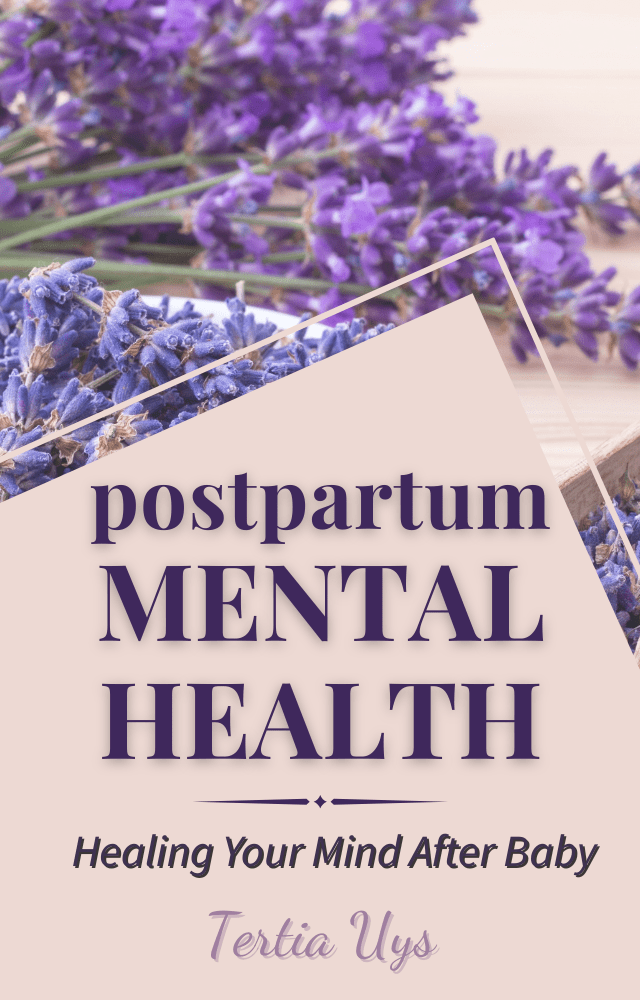
You deserve support, compassion, and help. Postpartum Mental Health: Healing Your Mind After Baby is your compassionate guide to understanding what you're experiencing, recognizing when you need help, and finding practical strategies to feel better.
Understanding Postpartum Mental Health Conditions
Knowledge is power. Understanding what's happening can help you recognize symptoms and seek appropriate help.
Postpartum Depression (PPD)
What It Is
Postpartum depression is a serious mood disorder that goes beyond the 'baby blues.' It involves persistent feelings of sadness, hopelessness, and disconnection that interfere with your ability to function and bond with your baby.
Common Symptoms
- Emotional symptoms: Persistent sadness, crying, feeling empty or numb, hopelessness, guilt, worthlessness
- Physical symptoms: Fatigue beyond normal new mom tiredness, changes in appetite, sleep problems (beyond baby-related), physical aches
- Cognitive symptoms: Difficulty concentrating, making decisions, remembering things, intrusive negative thoughts
- Behavioral symptoms: Withdrawing from loved ones, loss of interest in activities, difficulty bonding with baby, thoughts of harming yourself or baby
Risk Factors
- History of depression or anxiety
- Previous postpartum depression
- Lack of social support
- Stressful life events
- Difficult pregnancy or birth
- Sleep deprivation
- Thyroid problems
- History of trauma or abuse
Postpartum Anxiety (PPA)
What It Is
Postpartum anxiety involves excessive worry, fear, and physical symptoms of anxiety that interfere with daily life. It's actually more common than postpartum depression but less talked about.
Common Symptoms
- Mental symptoms: Constant worry about baby's health and safety, racing thoughts, inability to relax, catastrophic thinking
- Physical symptoms: Rapid heartbeat, shortness of breath, chest tightness, dizziness, nausea, hot flashes
- Behavioral symptoms: Excessive checking on baby, inability to sleep even when baby sleeps, avoiding situations that trigger anxiety, seeking constant reassurance
Intrusive Thoughts
Many mothers with postpartum anxiety experience scary, intrusive thoughts:
- Images of baby being hurt
- Fears of accidentally harming baby
- Obsessive thoughts about germs or illness
- Constant 'what if' scenarios
These thoughts are distressing but common. Having them doesn't mean you'll act on them or that you're a danger to your baby.
Postpartum OCD
What It Is
Postpartum OCD involves obsessive thoughts (often about harm coming to baby) and compulsive behaviors to reduce anxiety.
Common Symptoms
- Intrusive, unwanted thoughts about baby being harmed
- Excessive cleaning or sterilizing
- Repeatedly checking on baby
- Avoiding being alone with baby due to fear of intrusive thoughts
- Extreme distress about the intrusive thoughts
Postpartum PTSD
What It Is
Postpartum PTSD can develop after a traumatic birth experience, pregnancy complications, or NICU stay.
Common Symptoms
- Flashbacks or nightmares about the traumatic event
- Avoiding reminders of the trauma
- Hypervigilance and being easily startled
- Emotional numbness or detachment
- Difficulty bonding with baby
- Anger or irritability
Postpartum Psychosis
What It Is
Postpartum psychosis is rare (1-2 per 1,000 births) but serious, requiring immediate medical attention.
Warning Signs
- Hallucinations (seeing or hearing things that aren't there)
- Delusions (false beliefs)
- Extreme confusion or disorientation
- Rapid mood swings
- Paranoia
- Thoughts of harming yourself or baby
If you or someone you know experiences these symptoms, seek emergency medical help immediately.
The Baby Blues vs. Postpartum Depression
Understanding the difference helps you know when to seek help.
Baby Blues (Normal and Common)
Characteristics
- Affects 70-80% of new mothers
- Begins within first few days after birth
- Peaks around day 5
- Resolves within 2 weeks
- Mild symptoms that don't interfere with functioning
Symptoms
- Mood swings
- Crying for no clear reason
- Feeling overwhelmed
- Anxiety or worry
- Irritability
- Difficulty sleeping
What Helps
- Rest when possible
- Accept help from others
- Talk about your feelings
- Be patient with yourself
- Know it will pass
Postpartum Depression (Requires Treatment)
Key Differences
- Symptoms are more severe
- Lasts longer than 2 weeks
- Interferes with daily functioning
- Doesn't improve on its own
- May worsen without treatment
When to Seek Help
- Symptoms persist beyond 2 weeks
- Symptoms are getting worse
- You're having difficulty caring for yourself or baby
- You're having thoughts of harming yourself or baby
- You feel unable to cope
Why Postpartum Mental Health Issues Happen
Understanding the causes can reduce shame and self-blame.
Hormonal Changes
The Dramatic Shift
- Estrogen and progesterone drop dramatically after birth
- These hormones affect neurotransmitters (brain chemicals)
- Thyroid hormones can also fluctuate
- Oxytocin and prolactin increase (if breastfeeding)
- This hormonal rollercoaster affects mood, anxiety, and emotional regulation
Sleep Deprivation
The Impact on Mental Health
- Chronic sleep deprivation affects brain function
- Impairs emotional regulation
- Increases anxiety and irritability
- Worsens depression symptoms
- Makes everything harder to cope with
Physical Recovery
- Your body is healing from major physical trauma
- Pain and discomfort affect mood
- Nutrient depletion impacts brain chemistry
- Physical limitations can be frustrating
Life Adjustment
- Identity shift from woman to mother
- Loss of previous life and freedom
- Relationship changes with partner
- Social isolation
- Financial stress
- Career changes or loss
Unrealistic Expectations
- Social media 'perfect motherhood' images
- Pressure to 'bounce back'
- Belief that motherhood should be blissful
- Shame about struggling
- Lack of preparation for reality
Coping Strategies for Difficult Days
Practical tools you can use when you're struggling.
Immediate Coping Techniques
When Anxiety Hits
- 5-4-3-2-1 grounding: Name 5 things you see, 4 you hear, 3 you feel, 2 you smell, 1 you taste
- Box breathing: Breathe in for 4, hold for 4, out for 4, hold for 4
- Cold water: Splash face or hold ice to reset nervous system
- Movement: Walk, stretch, or gentle exercise
- Safe person: Call someone who supports you
When Depression Overwhelms
- Tiny tasks: Just do the next small thing (shower, eat, drink water)
- Get outside: Even 5 minutes of sunlight helps
- Lower standards: Survival mode is okay
- Accept help: Let others do things for you
- Be gentle: Talk to yourself like you'd talk to a friend
Daily Mental Health Practices
Morning Routine
- Open curtains for natural light
- Drink water before coffee
- Take medications/supplements
- Set one small intention for the day
- Avoid social media first thing
Throughout the Day
- Eat regular meals (even if small)
- Hydrate consistently
- Get outside if possible
- Connect with one supportive person
- Do one thing that's just for you
Evening Routine
- Limit screen time before bed
- Write down three things that went okay
- Prepare for tomorrow to reduce morning stress
- Practice relaxation technique
- Be compassionate about the hard moments
Self-Care for Exhausted New Moms
Redefining Self-Care
Self-care isn't bubble baths and spa days (though those are nice). It's:
- Eating when you're hungry
- Sleeping when you can
- Asking for help
- Setting boundaries
- Taking medications as prescribed
- Going to therapy appointments
- Saying no to things that drain you
Micro Self-Care
When you only have minutes:
- 5-minute meditation or breathing
- Favorite song with eyes closed
- Hot shower or face wash
- Stretch or gentle movement
- Text a friend
- Step outside for fresh air
Building Your Support System
You cannot and should not do this alone.
Identifying Your People
Who Can Help
- Partner: Share how you're feeling, ask for specific help
- Family: Parents, siblings, or extended family who are supportive
- Friends: Especially those who've had babies or are empathetic
- Other new moms: People going through similar experiences
- Healthcare providers: OB, midwife, therapist, psychiatrist
- Support groups: In-person or online communities
How to Ask for Help
Many new moms struggle with this. Try:
- 'I'm struggling and need support'
- 'Can you come over and hold the baby while I shower/nap/eat?'
- 'I need someone to talk to'
- 'Can you bring a meal or pick up groceries?'
- 'I think I need professional help—can you help me find resources?'
Finding Professional Support
Types of Professionals
- Therapist/Counselor: Talk therapy, coping strategies, processing emotions
- Psychiatrist: Medication management if needed
- Postpartum doula: Practical support and emotional care
- Support groups: Postpartum Support International, local groups
- Lactation consultant: If breastfeeding struggles are contributing
Finding the Right Therapist
- Look for perinatal mental health specialists
- Ask about experience with postpartum issues
- Consider virtual therapy for convenience
- Don't be afraid to try different therapists
- Check if they take your insurance
Online Resources and Hotlines
Immediate Support
- Postpartum Support International: 1-800-944-4773 (call or text)
- National Maternal Mental Health Hotline: 1-833-TLC-MAMA (1-833-852-6262)
- Crisis Text Line: Text HOME to 741741
- National Suicide Prevention Lifeline: 988
Online Communities
- Postpartum Support International online groups
- Reddit communities (r/beyondthebump, r/postpartum)
- Facebook support groups for postpartum mental health
- Instagram accounts focused on maternal mental health
Treatment Options That Work
Postpartum mental health conditions are highly treatable.
Therapy Approaches
Cognitive Behavioral Therapy (CBT)
- Identifies and changes negative thought patterns
- Develops coping strategies
- Evidence-based for depression and anxiety
- Can be done in-person or online
Interpersonal Therapy (IPT)
- Focuses on relationships and life transitions
- Addresses role changes and social support
- Effective for postpartum depression
Support Groups
- Connect with others experiencing similar struggles
- Reduce isolation and shame
- Share coping strategies
- Normalize postpartum mental health challenges
Medication
When Medication Helps
- Moderate to severe depression or anxiety
- When symptoms interfere with functioning
- When therapy alone isn't enough
- History of mental health conditions
Common Medications
- SSRIs: Sertraline (Zoloft), fluoxetine (Prozac)—safe for breastfeeding
- SNRIs: For depression and anxiety
- Brexanolone (Zulresso): Specifically for postpartum depression
- Anti-anxiety medications: For severe anxiety (use carefully)
Medication and Breastfeeding
- Many medications are safe while breastfeeding
- Benefits often outweigh minimal risks
- Untreated mental health issues are riskier than most medications
- Work with knowledgeable healthcare provider
- Resources: LactMed database, InfantRisk Center
Lifestyle Interventions
Sleep
- Sleep when baby sleeps (really)
- Ask partner to do one night feeding
- Accept help with baby care to get rest
- Prioritize sleep over housework
Nutrition
- Eat regular, balanced meals
- Omega-3 fatty acids support mood
- Adequate protein and complex carbs
- Stay hydrated
- Consider vitamin D supplementation
Movement
- Gentle walks with baby
- Postpartum-safe exercise when cleared
- Yoga or stretching
- Movement for mood, not weight loss
Social Connection
- Regular contact with supportive people
- Join new mom groups
- Maintain friendships
- Limit time with unsupportive people
For Partners and Loved Ones
How to support someone with postpartum mental health struggles.
What to Say
- 'I'm here for you'
- 'This isn't your fault'
- 'You're a good mother'
- 'What do you need right now?'
- 'Let's get you some help'
- 'I love you and we'll get through this'
What Not to Say
- 'Just think positive'
- 'Other people have it worse'
- 'You should be grateful'
- 'Snap out of it'
- 'I told you having a baby would be hard'
How to Help
- Take over baby care so she can sleep
- Handle household tasks without being asked
- Bring her food and water
- Listen without trying to fix
- Help her find professional support
- Attend appointments with her if helpful
- Take her concerns seriously
Your Path to Healing
Recovery from postpartum mental health challenges is possible. With proper support and treatment, you can feel like yourself again. Postpartum Mental Health: Healing Your Mind After Baby provides:
- Comprehensive understanding of postpartum mental health conditions
- Tools to recognize signs and symptoms
- Practical coping strategies for difficult days
- Self-care guidance for exhausted new moms
- Clear information on when and how to seek help
- Resources for building a support system
- Treatment options that work
- Hope and validation that you're not alone
As an instant digital download, you can start your healing journey today. No more suffering in silence. No more believing you should just 'get over it.' No more shame about struggling.
Start Healing Today
You deserve to feel well. You deserve support. You deserve to enjoy motherhood without the weight of depression or anxiety.
Ready to heal your mind after baby? Get your instant digital download of Postpartum Mental Health: Healing Your Mind After Baby and take the first step toward feeling better.
You are not alone. You are not broken. You are not a bad mother. You are experiencing a treatable medical condition, and help is available.
Crisis Resources: If you're in crisis or having thoughts of harming yourself or your baby, please seek immediate help. Call 988 (Suicide and Crisis Lifeline), text HOME to 741741 (Crisis Text Line), call 1-800-944-4773 (Postpartum Support International), or go to your nearest emergency room. You matter, and help is available 24/7.