Your Mental Health Matters Just as Much as Your Physical Health
Congratulations on your pregnancy. You're probably hearing a lot about prenatal vitamins, doctor appointments, nursery preparation, and physical changes. But there's something equally important that doesn't get talked about nearly enough: your mental health during pregnancy.
If you're experiencing anxiety about the baby's health, worry about labor and delivery, fear about becoming a mother, mood swings that feel overwhelming, or a persistent sadness you can't explain, you're not alone. Pregnancy mental health challenges affect up to 1 in 5 expectant mothers, yet so many suffer in silence, believing they should be nothing but happy and grateful during this 'magical' time.
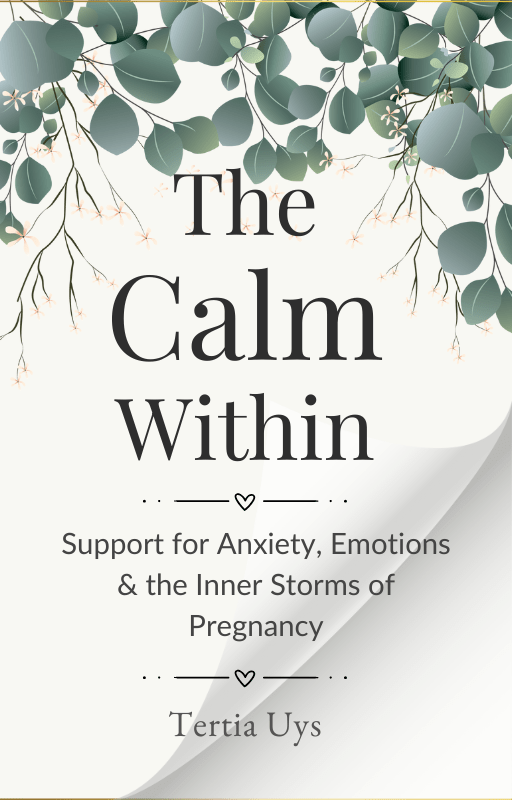
The truth is that pregnancy is a time of immense physical, hormonal, and emotional change. It's normal to experience a wide range of emotions—including difficult ones. Your mental health during pregnancy matters for you and for your baby. The Calm Within: Pregnancy Mental Health Guide is your compassionate companion for navigating anxiety, managing mood changes, and preparing emotionally for motherhood with confidence and support.
Understanding Pregnancy Mental Health
Knowledge helps you recognize what's normal and when you might need support.
Common Mental Health Challenges During Pregnancy
Pregnancy Anxiety
Excessive worry and fear that interferes with daily life:
- Health anxiety: Constant worry about baby's development and health
- Birth anxiety: Fear of labor, delivery, and potential complications
- Parenting anxiety: Worry about being a good mother
- Body anxiety: Concerns about physical changes
- Financial anxiety: Stress about providing for a child
- Relationship anxiety: Worry about how baby will affect partnership
Prenatal Depression
Persistent sadness and loss of interest during pregnancy:
- Feeling sad, empty, or hopeless most of the day
- Loss of interest in activities you used to enjoy
- Changes in appetite or sleep (beyond pregnancy-related)
- Difficulty concentrating or making decisions
- Feelings of worthlessness or excessive guilt
- Thoughts that you or baby would be better off if you weren't pregnant
Pregnancy After Loss
Previous miscarriage, stillbirth, or infant loss creates unique challenges:
- Intense anxiety about losing this pregnancy
- Difficulty bonding or allowing yourself to feel excited
- Hypervigilance about symptoms and movements
- Grief resurfacing during pregnancy milestones
- Fear of getting attached
Tokophobia (Fear of Childbirth)
- Severe anxiety or phobia about labor and delivery
- Intrusive thoughts about birth complications
- Avoidance of pregnancy-related information
- Considering elective C-section due to fear
- Panic attacks when thinking about birth
Risk Factors for Pregnancy Mental Health Issues
- History of depression, anxiety, or other mental health conditions
- Previous pregnancy loss or traumatic birth
- Lack of social support
- Relationship problems or domestic violence
- Unplanned or unwanted pregnancy
- Financial stress
- Pregnancy complications
- History of trauma or abuse
- Family history of mental health conditions
The Impact of Hormones on Mood
Understanding the biological changes helps you be compassionate with yourself.
Hormonal Changes During Pregnancy
First Trimester
- HCG surge: Can cause nausea, fatigue, and mood changes
- Progesterone increase: Can cause fatigue and emotional sensitivity
- Estrogen rise: Affects neurotransmitters and mood regulation
Second Trimester
- Hormones often stabilize somewhat
- Many women feel better emotionally
- But not everyone—some continue struggling
- New anxieties may emerge (anatomy scan, movement, etc.)
Third Trimester
- Hormones continue rising
- Physical discomfort affects mood
- Anxiety about impending birth increases
- Nesting instinct and emotional intensity
How Hormones Affect Mental Health
- Influence neurotransmitters (serotonin, dopamine)
- Affect stress response and cortisol levels
- Impact sleep quality and energy
- Alter emotional regulation capacity
- Can trigger or worsen existing mental health conditions
Managing Pregnancy Anxiety
Practical strategies to reduce worry and find calm.
Understanding Your Anxiety
Normal Worry vs. Anxiety Disorder
Normal pregnancy worry:
- Occasional concerns about baby's health
- Nervousness about upcoming appointments
- Wondering if you'll be a good parent
- Doesn't significantly interfere with daily life
- Can be soothed with reassurance
Pregnancy anxiety disorder:
- Constant, excessive worry that's hard to control
- Physical symptoms (racing heart, shortness of breath)
- Interferes with sleep, eating, or daily functioning
- Intrusive, catastrophic thoughts
- Reassurance provides only temporary relief
Anxiety Management Techniques
Mindfulness and Grounding
- 5-4-3-2-1 technique: Name 5 things you see, 4 you hear, 3 you feel, 2 you smell, 1 you taste
- Body scan: Notice sensations from toes to head without judgment
- Mindful breathing: Focus on breath for 5-10 minutes
- Present moment awareness: Notice what's happening right now, not what might happen
Cognitive Strategies
- Thought challenging: Question anxious thoughts—are they facts or fears?
- Probability assessment: What's the actual likelihood of your fear happening?
- Worst-case scenario planning: If it happened, how would you cope?
- Reframing: Find alternative, more balanced perspectives
Behavioral Strategies
- Limit information seeking: Set boundaries on pregnancy app checking and googling
- Scheduled worry time: Contain worry to specific 15-minute periods
- Distraction techniques: Engage in activities that absorb your attention
- Movement: Gentle exercise releases anxiety
Specific Anxiety Scenarios
Health Anxiety About Baby
- Trust your healthcare provider's expertise
- Remember that most pregnancies result in healthy babies
- Limit symptom googling (it always suggests worst-case scenarios)
- Focus on what you can control (nutrition, prenatal care, rest)
- Connect with baby through positive visualization
Birth Anxiety
- Take childbirth education classes
- Create a birth plan (but stay flexible)
- Learn about pain management options
- Practice relaxation and breathing techniques
- Talk to your provider about your fears
- Consider hiring a doula for support
Parenting Anxiety
- Remember that no one is a perfect parent
- You'll learn as you go—everyone does
- Take parenting classes if helpful
- Connect with other expectant parents
- Focus on being 'good enough,' not perfect
Nourishing Your Mood Naturally
Lifestyle factors significantly impact mental health during pregnancy.
Nutrition for Mental Health
Mood-Supporting Nutrients
- Omega-3 fatty acids: Support brain health and reduce depression risk (salmon, walnuts, chia seeds)
- B vitamins: Essential for neurotransmitter production (leafy greens, eggs, legumes)
- Vitamin D: Deficiency linked to depression (sunlight, fortified foods, supplements)
- Protein: Provides amino acids for neurotransmitters (lean meats, beans, dairy)
- Complex carbohydrates: Support serotonin production (whole grains, vegetables)
Blood Sugar Stability
- Eat regular meals and snacks
- Combine protein, fat, and complex carbs
- Avoid long periods without eating
- Limit refined sugars and simple carbs
- Stay hydrated
Sleep and Rest
Importance of Sleep
- Sleep deprivation worsens anxiety and depression
- Hormones and physical discomfort affect sleep quality
- Prioritizing rest is essential for mental health
Sleep Strategies
- Maintain consistent sleep schedule
- Create relaxing bedtime routine
- Use pregnancy pillow for comfort
- Limit screen time before bed
- Practice relaxation techniques
- Nap when needed (if it doesn't interfere with nighttime sleep)
Movement and Exercise
Mental Health Benefits
- Reduces anxiety and depression
- Improves sleep quality
- Boosts mood through endorphins
- Increases energy
- Provides sense of control and accomplishment
Pregnancy-Safe Exercise
- Walking (easiest and most accessible)
- Prenatal yoga
- Swimming or water aerobics
- Stationary cycling
- Prenatal fitness classes
- Always check with your healthcare provider first
Stress Management
Relaxation Techniques
- Progressive muscle relaxation: Tense and release muscle groups
- Guided imagery: Visualize peaceful, calming scenes
- Prenatal massage: Reduces stress hormones
- Warm baths: Soothing and relaxing (not too hot)
- Gentle stretching: Releases physical tension
Stress Reduction Strategies
- Set boundaries and say no to unnecessary commitments
- Delegate tasks and ask for help
- Simplify where possible
- Practice self-compassion
- Engage in enjoyable activities
Self-Care for Pregnant Women
Taking care of yourself is taking care of your baby.
Redefining Self-Care During Pregnancy
What Self-Care Really Means
- Meeting your basic needs (food, sleep, rest)
- Setting boundaries to protect your energy
- Doing things that bring you joy or peace
- Asking for and accepting help
- Prioritizing your mental health
- Being gentle with yourself
Practical Self-Care Ideas
- Taking naps without guilt
- Reading for pleasure
- Spending time in nature
- Connecting with supportive friends
- Engaging in creative activities
- Saying no to draining obligations
- Taking breaks when needed
Emotional Preparation for Motherhood
Processing the Identity Shift
- Acknowledge that becoming a mother changes you
- Grieve the loss of your pre-baby life (it's okay)
- Explore what kind of mother you want to be
- Recognize you'll still be yourself, just evolved
- Give yourself permission to have mixed feelings
Managing Expectations
- Let go of the 'perfect mother' myth
- Understand that motherhood is a learning process
- Accept that you'll make mistakes
- Know that 'good enough' is actually good
- Reject social media's unrealistic portrayals
Building Your Support System
Who Can Support You
- Partner: Share your feelings and needs
- Family: Parents, siblings, or extended family
- Friends: Especially those who've had babies
- Other expectant mothers: Prenatal classes, online groups
- Healthcare providers: OB, midwife, therapist
- Doula: Emotional and practical support
How to Ask for Support
- Be specific about what you need
- Don't wait until you're desperate
- Accept offers of help
- Communicate openly about your struggles
- Join support groups (in-person or online)
When to Seek Professional Help
Recognizing when you need more support than self-help can provide.
Warning Signs
- Persistent sadness or anxiety lasting more than 2 weeks
- Symptoms interfering with daily functioning
- Difficulty bonding with your pregnancy
- Thoughts of harming yourself or ending the pregnancy
- Severe panic attacks
- Inability to eat or sleep despite trying
- Feeling hopeless or worthless
- Substance use to cope
Types of Professional Support
Therapy Options
- Perinatal therapist: Specializes in pregnancy and postpartum mental health
- Cognitive Behavioral Therapy (CBT): Evidence-based for anxiety and depression
- Support groups: Connect with other pregnant women
- Virtual therapy: Convenient option for busy schedules
Medication During Pregnancy
- Some medications are safe during pregnancy
- Untreated mental health issues carry risks too
- Work with knowledgeable healthcare provider
- Weigh benefits and risks together
- Many women successfully use medication during pregnancy
Resources and Hotlines
- Postpartum Support International: 1-800-944-4773 (also supports pregnancy)
- National Maternal Mental Health Hotline: 1-833-TLC-MAMA (1-833-852-6262)
- Crisis Text Line: Text HOME to 741741
- National Suicide Prevention Lifeline: 988
Preparing Emotionally for Birth and Beyond
Mental preparation is just as important as physical preparation.
Birth Preparation
Education and Planning
- Take childbirth education classes
- Learn about stages of labor
- Understand pain management options
- Create flexible birth preferences
- Tour birth facility if possible
- Discuss fears with your provider
Mental Preparation
- Practice relaxation and breathing techniques
- Visualize positive birth experience
- Prepare for flexibility (birth rarely goes exactly as planned)
- Build confidence in your body's ability
- Identify your support people
Preparing for Postpartum
Realistic Expectations
- Recovery takes time (physically and emotionally)
- The first weeks are survival mode
- You'll be exhausted and overwhelmed
- It's okay to not love every moment
- Asking for help is strength, not weakness
Postpartum Planning
- Line up support for after baby arrives
- Prepare freezer meals
- Research postpartum resources
- Discuss division of labor with partner
- Know signs of postpartum depression/anxiety
- Have therapist or support group identified
Your Calm Pregnancy Journey
Your mental health during pregnancy matters—for you and for your baby. You deserve to feel supported, calm, and emotionally prepared for motherhood. The Calm Within: Pregnancy Mental Health Guide provides:
- Understanding of pregnancy mental health challenges
- Practical strategies for managing anxiety and worry
- Tools for mood regulation and emotional wellness
- Self-care guidance for pregnant women
- Support for building your support system
- Clear guidance on when to seek professional help
- Emotional preparation for motherhood
- Compassion and validation for your experience
As an instant digital download, you can start prioritizing your mental health today. No more suffering in silence. No more believing you should just be grateful and happy. No more neglecting your emotional wellbeing.
Find Your Calm Today
You deserve to enjoy your pregnancy. You deserve to feel emotionally prepared for motherhood. You deserve support for your mental health.
Ready to find calm and confidence during pregnancy? Get your instant digital download of The Calm Within: Pregnancy Mental Health Guide and start your journey to emotional wellness today.
Your mental health matters just as much as your physical health. This guide helps you prioritize both.
Crisis Resources: If you're in crisis or having thoughts of harming yourself or ending your pregnancy, please seek immediate help. Call 988 (Suicide and Crisis Lifeline), text HOME to 741741 (Crisis Text Line), call 1-800-944-4773 (Postpartum Support International), or go to your nearest emergency room. You matter, and help is available 24/7.