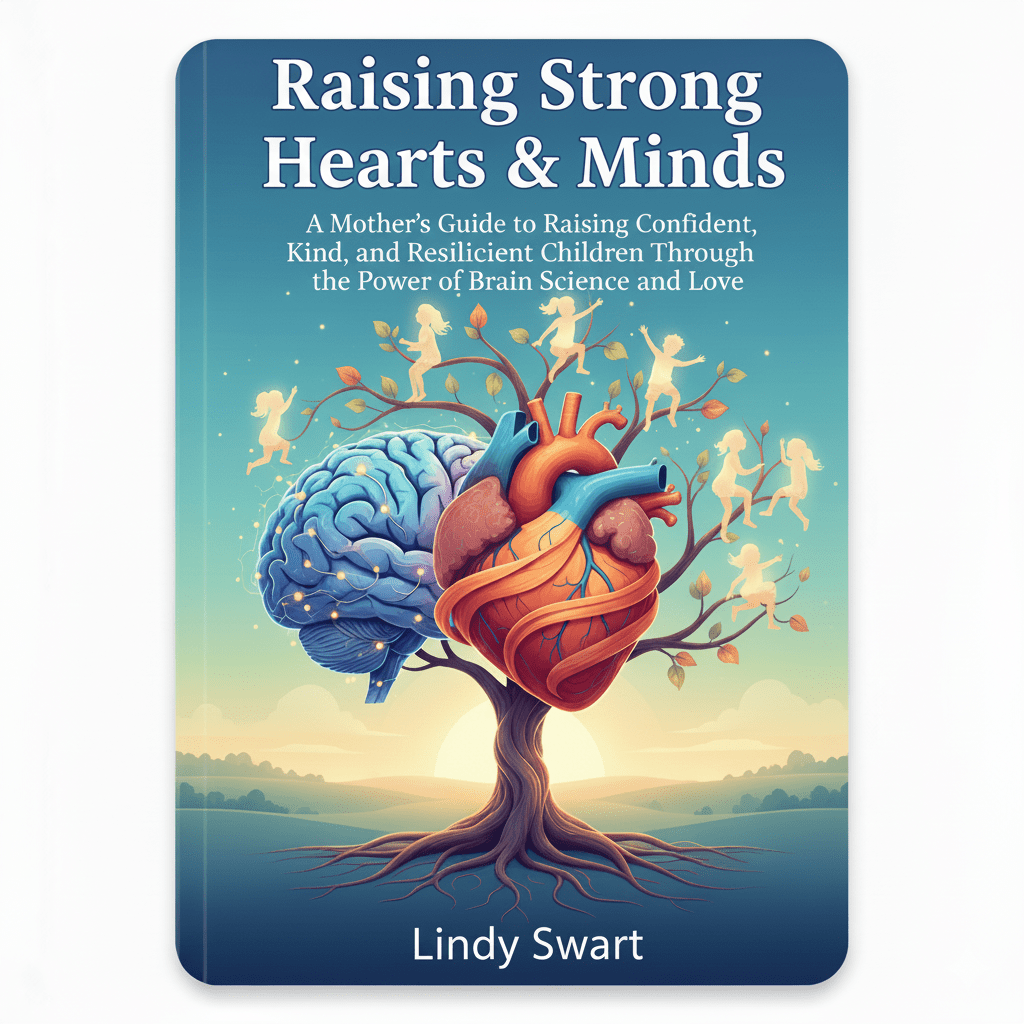
The Greatest Gift You Can Give Your Children: Resilience
As a parent, you want to protect your children from pain, disappointment, and failure. It's natural to want to smooth the path ahead of them, fix their problems, and shield them from life's difficulties. But here's the paradox: the best way to help your children thrive isn't to remove all obstacles—it's to teach them how to navigate challenges, bounce back from setbacks, and develop the emotional strength to handle whatever life throws their way.
Resilience—the ability to adapt, cope, and recover from adversity—is one of the most important skills you can teach your children. In today's world of increasing academic pressure, social media comparison, mental health challenges, and uncertainty, resilient kids don't just survive—they thrive. They develop confidence, emotional intelligence, problem-solving skills, and the inner strength to pursue their goals despite obstacles.
The good news? Resilience isn't something children either have or don't have—it's a set of skills that can be taught, practiced, and strengthened over time. Raising Strong Hearts and Minds: Parenting Guide for Resilience provides practical, proven strategies to help you raise emotionally strong, confident children who can handle life's challenges with courage and grace.
Understanding Resilience in Children
Before you can build resilience, you need to understand what it actually is.
What Is Resilience?
The Definition
Resilience is the ability to:
- Adapt to stress and adversity
- Bounce back from setbacks and disappointments
- Cope with challenges in healthy ways
- Maintain wellbeing despite difficulties
- Grow stronger through adversity
- Persist toward goals despite obstacles
What Resilience Is NOT
- Never experiencing negative emotions
- Being tough or unemotional
- Never needing help or support
- Avoiding all difficulties
- Being perfect or never failing
- Suppressing feelings or 'toughening up'
Why Resilience Matters
Academic Success
- Better able to handle academic challenges
- More likely to persist when learning is difficult
- Recover from poor grades or test anxiety
- Develop growth mindset about abilities
Mental Health
- Lower rates of anxiety and depression
- Better emotional regulation
- Healthier coping mechanisms
- Greater life satisfaction
Social Relationships
- Better conflict resolution skills
- Healthier friendships
- More empathy and emotional intelligence
- Ability to handle peer pressure and bullying
Future Success
- Better equipped for career challenges
- More likely to pursue goals despite setbacks
- Stronger problem-solving abilities
- Greater adaptability to change
Building Emotional Intelligence
Emotional intelligence is the foundation of resilience.
The Five Components of Emotional Intelligence
1. Self-Awareness
Understanding one's own emotions:
- Recognizing and naming feelings
- Understanding what triggers emotions
- Knowing personal strengths and weaknesses
- Developing accurate self-perception
How to teach it:
- Help children identify and name emotions
- Use emotion charts or feeling wheels
- Ask 'How does that make you feel?'
- Validate all emotions as acceptable
- Model naming your own emotions
2. Self-Regulation
Managing emotions in healthy ways:
- Controlling impulses
- Managing strong emotions
- Adapting to change
- Thinking before acting
How to teach it:
- Teach calming strategies (deep breathing, counting, taking breaks)
- Practice waiting and delaying gratification
- Help identify coping strategies that work for them
- Create calm-down spaces or toolkits
- Model self-regulation in your own behavior
3. Motivation
Internal drive to achieve goals:
- Setting and working toward goals
- Persisting despite obstacles
- Finding meaning in challenges
- Maintaining optimism
How to teach it:
- Help set achievable goals
- Celebrate effort, not just outcomes
- Encourage intrinsic motivation
- Connect activities to their interests and values
- Share stories of perseverance
4. Empathy
Understanding others' emotions:
- Recognizing others' feelings
- Taking others' perspectives
- Showing compassion
- Understanding social cues
How to teach it:
- Ask 'How do you think they feel?'
- Read books and discuss characters' emotions
- Point out others' emotions in real situations
- Model empathy in your interactions
- Encourage helping and kindness
5. Social Skills
Managing relationships effectively:
- Communicating clearly
- Cooperating with others
- Resolving conflicts
- Building and maintaining friendships
How to teach it:
- Practice conversation skills
- Role-play social situations
- Teach conflict resolution steps
- Facilitate positive peer interactions
- Coach through social challenges
Helping Kids Manage Big Feelings
Emotional regulation is a critical resilience skill.
Understanding Children's Emotions
Why Kids Have Big Feelings
- Brain still developing (prefrontal cortex not fully mature until mid-20s)
- Limited emotional vocabulary
- Fewer coping strategies
- Everything feels more intense
- Less life experience for perspective
Emotion Coaching Approach
Step 1: Notice and Validate
- Recognize the emotion
- Accept all feelings as valid
- 'I can see you're really angry right now'
- Don't minimize or dismiss
Step 2: Label the Emotion
- Help them name what they're feeling
- Expand emotional vocabulary
- 'It sounds like you're feeling frustrated'
- Distinguish between similar emotions
Step 3: Set Limits on Behavior
- All feelings are okay, not all behaviors
- 'It's okay to be angry, but hitting is not okay'
- Provide acceptable alternatives
- Be consistent with boundaries
Step 4: Problem-Solve Together
- When calm, discuss solutions
- Ask what they think might help
- Brainstorm options together
- Let them choose when possible
Age-Appropriate Emotion Regulation Strategies
Toddlers and Preschoolers (2-5)
- Deep breathing (blow out birthday candles, smell flowers)
- Counting to calm down
- Hugging stuffed animals
- Taking space in calm corner
- Physical movement (jumping, dancing)
- Sensory tools (playdough, water play)
Elementary Age (6-12)
- Journaling or drawing feelings
- Progressive muscle relaxation
- Mindfulness exercises
- Physical exercise
- Talking to trusted adults
- Using coping cards or strategies list
Teens (13+)
- Meditation or mindfulness apps
- Exercise or sports
- Creative expression (art, music, writing)
- Talking with friends or therapist
- Time in nature
- Healthy distraction activities
Teaching Problem-Solving and Coping Skills
Resilient children can solve problems and cope with challenges.
Problem-Solving Framework
Step 1: Identify the Problem
- What exactly is the issue?
- How does it make you feel?
- Why is it a problem?
Step 2: Brainstorm Solutions
- Generate multiple options
- No judgment during brainstorming
- Encourage creative thinking
- Include silly ideas to make it fun
Step 3: Evaluate Options
- What are pros and cons of each?
- What might happen if you try this?
- Which seems most likely to work?
Step 4: Choose and Try
- Pick one solution to try
- Make a plan for implementation
- Set a time to try it
Step 5: Reflect and Adjust
- Did it work?
- What would you do differently?
- What did you learn?
- Try another solution if needed
Healthy Coping Strategies
Physical Coping
- Exercise or movement
- Deep breathing
- Progressive muscle relaxation
- Yoga or stretching
- Getting adequate sleep
Emotional Coping
- Talking about feelings
- Journaling
- Crying when needed
- Expressing through art or music
- Practicing self-compassion
Social Coping
- Spending time with supportive people
- Asking for help
- Helping others
- Joining groups or activities
Cognitive Coping
- Reframing negative thoughts
- Practicing gratitude
- Mindfulness and meditation
- Positive self-talk
- Finding meaning in challenges
Building Self-Esteem and Confidence
Confident children are more resilient.
Foundations of Healthy Self-Esteem
Unconditional Love and Acceptance
- Love them for who they are, not what they do
- Accept their unique personality and interests
- Show affection regularly
- Spend quality one-on-one time
Competence and Mastery
- Provide opportunities to develop skills
- Let them struggle appropriately
- Celebrate effort and progress
- Help them set and achieve goals
Autonomy and Independence
- Give age-appropriate choices
- Allow them to do things themselves
- Respect their opinions and preferences
- Support their growing independence
Praise That Builds Resilience
Effective Praise
- Specific: 'You worked really hard on that math problem'
- Process-focused: Praise effort, strategy, persistence
- Sincere: Mean what you say
- Appropriate: Match the accomplishment
Ineffective Praise
- Generic: 'Good job' (doesn't teach anything)
- Ability-focused: 'You're so smart' (creates fixed mindset)
- Excessive: Praising everything diminishes meaning
- Insincere: Kids can tell when you don't mean it
Growth Mindset
Fixed vs. Growth Mindset
Fixed mindset:
- 'I'm not good at math'
- 'I can't do this'
- Gives up when challenged
- Sees failure as permanent
Growth mindset:
- 'I'm not good at math yet'
- 'This is hard, but I can learn'
- Persists through challenges
- Sees failure as opportunity to learn
Teaching Growth Mindset
- Add 'yet' to 'I can't' statements
- Praise effort and strategies, not intelligence
- Share your own learning struggles
- Celebrate mistakes as learning opportunities
- Teach about brain plasticity
- Model growth mindset language
Age-Appropriate Resilience Activities
Practical exercises to build resilience at every age.
Preschool (3-5 years)
- Emotion charades: Act out feelings
- Feelings books: Read and discuss emotions
- Calm-down jar: Glitter jar for self-regulation
- Problem-solving stories: Simple scenarios to solve
- Gratitude practice: Share one good thing daily
Elementary (6-12 years)
- Worry time: Designated time to discuss worries
- Gratitude journal: Write three good things daily
- Strength spotting: Identify personal strengths
- Challenge ladder: Break big goals into steps
- Resilience stories: Read about overcoming adversity
Teens (13+ years)
- Mindfulness practice: Regular meditation
- Values clarification: Identify what matters most
- Goal setting: SMART goals with action plans
- Perspective taking: Consider multiple viewpoints
- Service projects: Helping others builds resilience
Modeling Resilience as a Parent
Children learn resilience by watching you.
What to Model
Handling Your Own Setbacks
- Share age-appropriate challenges you face
- Talk through your problem-solving process
- Show healthy coping strategies
- Demonstrate bouncing back
- Admit mistakes and show how you learn from them
Managing Your Emotions
- Name your emotions out loud
- Use healthy regulation strategies
- Apologize when you lose your temper
- Show that adults have big feelings too
- Demonstrate self-compassion
Maintaining Perspective
- Reframe challenges as opportunities
- Practice gratitude
- Find humor in difficult situations
- Show optimism about the future
- Demonstrate flexibility
What NOT to Model
- Catastrophizing or overreacting
- Blaming others for problems
- Giving up when things are hard
- Using unhealthy coping (substances, avoidance)
- Perfectionism or harsh self-criticism
Common Resilience Mistakes Parents Make
Avoiding these pitfalls helps build stronger kids.
Overprotecting
The Problem
- Prevents children from developing coping skills
- Sends message they can't handle challenges
- Creates anxiety and dependence
- Limits growth opportunities
The Alternative
- Allow age-appropriate struggles
- Be a coach, not a rescuer
- Let them experience natural consequences
- Support without solving
Fixing All Problems
The Problem
- Robs children of problem-solving practice
- Creates learned helplessness
- Prevents development of confidence
The Alternative
- Ask 'What do you think you could do?'
- Brainstorm solutions together
- Let them try and possibly fail
- Offer guidance, not answers
Praising Only Outcomes
The Problem
- Creates fear of failure
- Focuses on results, not learning
- Builds fixed mindset
The Alternative
- Praise effort, strategy, and persistence
- Celebrate learning from mistakes
- Value progress over perfection
Your Resilience-Building Toolkit
Raising resilient children is one of the most important things you can do as a parent. The skills they develop now will serve them throughout their lives, helping them navigate challenges, pursue their dreams, and maintain wellbeing despite adversity. Raising Strong Hearts and Minds: Parenting Guide for Resilience provides:
- Comprehensive understanding of resilience and emotional intelligence
- Practical strategies for helping kids manage big feelings
- Problem-solving and coping skills frameworks
- Tools for building self-esteem and confidence
- Age-appropriate activities and exercises
- Guidance on modeling resilience
- Common mistakes to avoid
- Proven strategies that work
As an instant digital download, you can start building resilience in your family today. No more feeling helpless when your child struggles. No more wondering if you're doing the right thing. No more wishing you could protect them from every difficulty.
Start Raising Resilient Kids Today
Your children don't need you to remove all obstacles from their path. They need you to teach them how to navigate challenges, bounce back from setbacks, and develop the emotional strength to thrive.
Ready to raise emotionally strong, confident children? Get your instant digital download of Raising Strong Hearts and Minds: Parenting Guide for Resilience and start building the skills your children need for life.
Give your children the greatest gift: the resilience to handle whatever life brings their way.
Note: Every child is unique. These strategies are starting points—adapt them to fit your child's temperament, age, and needs. If you have concerns about your child's emotional wellbeing, consult with a pediatrician or child mental health professional.