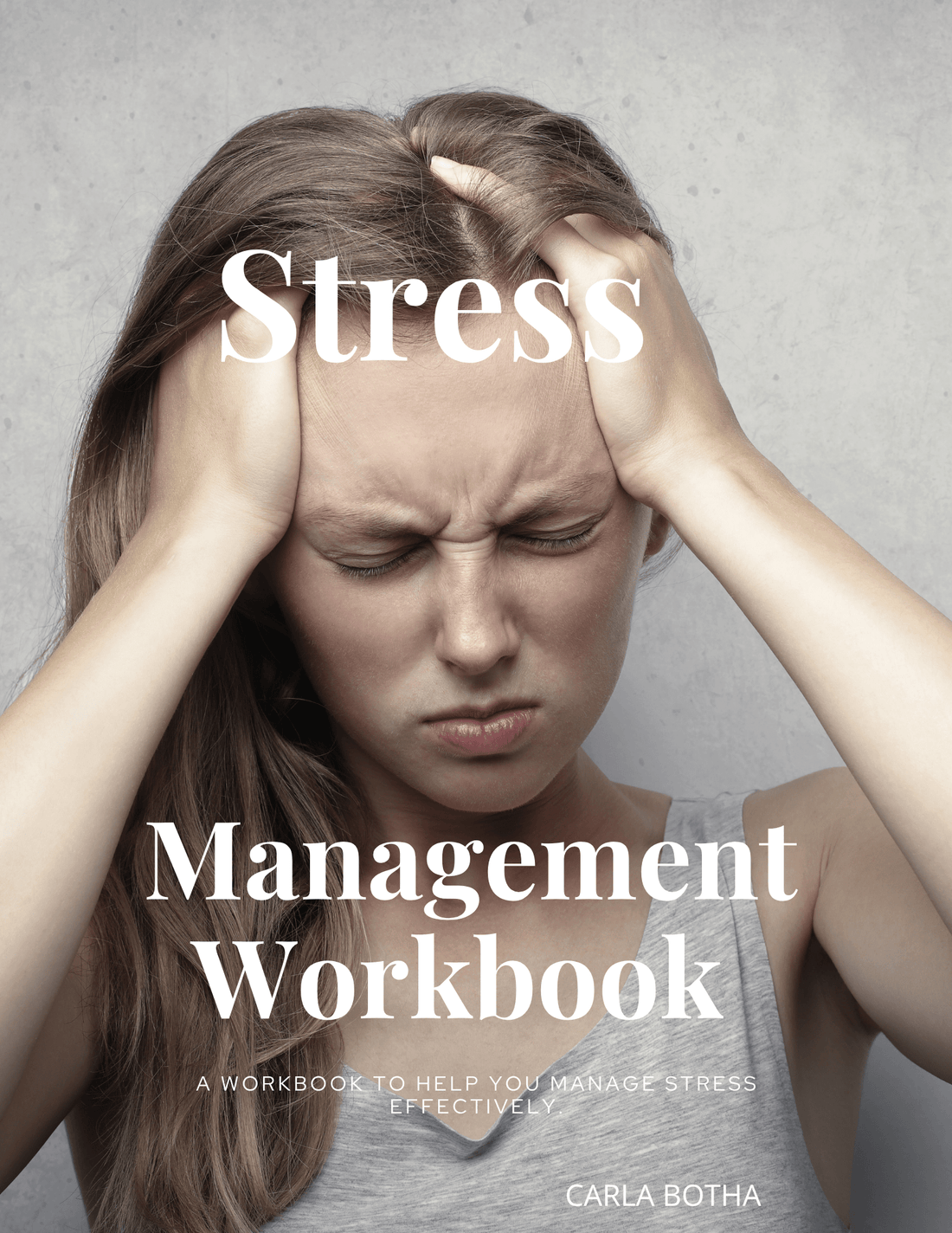
You Don't Have to Live in Constant Overwhelm
If you're reading this, you probably know what chronic stress feels like. The racing thoughts that won't quiet down, the tension headaches that have become your constant companion, the exhaustion that sleep doesn't fix, the irritability that's affecting your relationships, and the feeling that you're always one step away from completely falling apart. You're juggling work deadlines, family responsibilities, financial pressures, health concerns, and a never-ending to-do list—and it feels like the stress is winning.
Maybe you've tried to manage stress before—deep breathing that didn't help, meditation apps you couldn't stick with, advice to 'just relax' that made you want to scream. You know stress is affecting your health, relationships, and quality of life, but you don't know how to actually reduce it in any meaningful, lasting way.
Here's the truth: Stress management isn't about eliminating all stress from your life (impossible) or achieving some zen-like state of constant calm (unrealistic). It's about developing practical, science-backed strategies to reduce unnecessary stress, cope effectively with unavoidable stress, and build resilience so stress doesn't control your life. Stress Management Guide (plus FREE healthy living journal) provides proven techniques to help you take control of stress, find balance, and reclaim your peace of mind.
Understanding Stress
Knowledge about stress helps you manage it more effectively.
What Is Stress?
The Definition
Stress is your body's response to any demand or challenge—physical, mental, or emotional. It's the activation of your fight-flight-freeze response, designed to help you handle threats.
Types of Stress
- Acute stress: Short-term, in response to immediate challenge (deadline, argument, near-miss accident)
- Chronic stress: Long-term, ongoing stress that doesn't resolve (financial problems, difficult job, caregiving)
- Eustress: Positive stress that motivates and energizes (wedding planning, new job, exciting challenge)
- Distress: Negative stress that overwhelms and harms (what we typically mean by 'stress')
How Stress Affects Your Body
Physical Effects
- Increased heart rate and blood pressure
- Muscle tension and pain
- Headaches and migraines
- Digestive problems
- Weakened immune system
- Sleep disturbances
- Fatigue and low energy
- Changes in appetite
Mental and Emotional Effects
- Anxiety and worry
- Irritability and anger
- Difficulty concentrating
- Memory problems
- Racing thoughts
- Feeling overwhelmed
- Depression or sadness
- Mood swings
Behavioral Effects
- Changes in eating (over or under)
- Social withdrawal
- Procrastination
- Increased substance use
- Nervous habits (nail biting, pacing)
- Angry outbursts
- Neglecting responsibilities
The Stress Response
What Happens in Your Body
- Alarm: Threat detected, stress hormones released (cortisol, adrenaline)
- Resistance: Body mobilizes resources to cope
- Exhaustion: If stress continues, resources depleted
Why Chronic Stress Is Harmful
- Stress response meant for short-term threats
- Chronic activation damages body systems
- Increases risk of serious health problems
- Depletes mental and emotional resources
- Affects relationships and quality of life
Identifying Your Stress Triggers
You can't manage what you don't understand.
Common Stress Triggers
Work-Related
- Heavy workload or long hours
- Job insecurity
- Difficult colleagues or boss
- Lack of control or autonomy
- Unclear expectations
- Work-life imbalance
Personal and Family
- Relationship conflicts
- Parenting challenges
- Caregiving responsibilities
- Major life changes
- Health concerns
- Loss or grief
Financial
- Debt or money worries
- Unexpected expenses
- Job loss or income reduction
- Retirement concerns
Environmental
- Noise, crowds, or clutter
- Commuting or traffic
- Unsafe neighborhood
- Poor living conditions
Stress Tracking Exercise
How to Identify Your Triggers
- Keep a stress journal for 1-2 weeks
- Note when you feel stressed
- Record what was happening
- Rate stress level (1-10)
- Note physical and emotional symptoms
- Identify patterns and common triggers
Questions to Ask
- What situations consistently stress me?
- What times of day am I most stressed?
- Which people trigger stress?
- What thoughts increase my stress?
- What physical sensations signal stress?
Quick Stress Relief Strategies
Immediate techniques for when stress hits.
Breathing Exercises
4-7-8 Breathing
- Breathe in through nose for 4 counts
- Hold breath for 7 counts
- Exhale through mouth for 8 counts
- Repeat 4 times
Benefits: Activates relaxation response, reduces anxiety, calms nervous system
Box Breathing
- Breathe in for 4 counts
- Hold for 4 counts
- Breathe out for 4 counts
- Hold for 4 counts
- Repeat 4-5 times
Benefits: Used by Navy SEALs, improves focus, reduces stress
Belly Breathing
- Place hand on belly
- Breathe deeply into belly (not chest)
- Feel belly rise on inhale, fall on exhale
- Continue for 5-10 minutes
Benefits: Deepest form of breathing, most calming
Grounding Techniques
5-4-3-2-1 Method
- Name 5 things you can see
- Name 4 things you can touch
- Name 3 things you can hear
- Name 2 things you can smell
- Name 1 thing you can taste
Benefits: Brings you to present moment, interrupts anxiety spiral
Physical Grounding
- Plant feet firmly on ground
- Press hands together
- Hold ice or splash cold water
- Touch different textures
- Stretch or move your body
Progressive Muscle Relaxation
How to Practice
- Tense muscle group for 5 seconds
- Release and notice relaxation
- Move through all muscle groups
- Start with feet, work up to head
Benefits: Releases physical tension, promotes relaxation, improves body awareness
Quick Physical Releases
- Take a brisk walk
- Do jumping jacks or push-ups
- Stretch or do yoga poses
- Dance to favorite song
- Go outside for fresh air
Long-Term Stress Management Strategies
Building resilience and preventing chronic stress.
Lifestyle Changes
Regular Exercise
- Reduces stress hormones
- Releases endorphins (natural mood boosters)
- Improves sleep quality
- Builds physical resilience
- Provides healthy outlet for tension
Recommendations:
- 30 minutes most days of the week
- Mix cardio and strength training
- Choose activities you enjoy
- Start small and build gradually
Quality Sleep
- 7-9 hours nightly
- Consistent sleep schedule
- Relaxing bedtime routine
- Cool, dark, quiet bedroom
- Limit screens before bed
- Avoid caffeine late in day
Nutrition for Stress Management
- Eat regular, balanced meals
- Limit caffeine and sugar
- Stay hydrated
- Include stress-reducing foods (omega-3s, complex carbs, leafy greens)
- Avoid alcohol as stress coping mechanism
Mindfulness and Meditation
Mindfulness Practice
- Present-moment awareness
- Observing without judgment
- Accepting what is
- Letting go of control
Simple Meditation
- Sit comfortably
- Focus on breath
- When mind wanders, gently return to breath
- Start with 5 minutes, build up
- Practice daily
Mindfulness in Daily Life
- Mindful eating (savor each bite)
- Mindful walking (notice each step)
- Mindful listening (full attention)
- Mindful activities (washing dishes, showering)
Time Management and Organization
Reduce Overwhelm
- Prioritize tasks (urgent vs. important)
- Break large tasks into smaller steps
- Use to-do lists and calendars
- Set realistic deadlines
- Delegate when possible
- Say no to non-essential commitments
Create Structure
- Establish routines
- Schedule self-care
- Build in buffer time
- Batch similar tasks
- Minimize decision fatigue
Cognitive Strategies
Changing how you think about stress.
Reframing Stressful Thoughts
Identify Stress-Inducing Thoughts
- 'I can't handle this'
- 'Everything is going wrong'
- 'I should be able to do more'
- 'This is a disaster'
- 'I'm failing at everything'
Challenge and Reframe
- Instead of: 'I can't handle this' Try: 'This is hard, but I've handled hard things before'
- Instead of: 'Everything is going wrong' Try: 'Some things are challenging right now, and some are going well'
- Instead of: 'This is a disaster' Try: 'This is difficult, but not catastrophic'
Perspective-Taking
Questions to Ask
- Will this matter in 5 years?
- What's the worst that could realistically happen?
- What would I tell a friend in this situation?
- What can I control vs. what's outside my control?
- What's one small step I can take?
Gratitude Practice
Why It Helps
- Shifts focus from problems to positives
- Reduces stress hormones
- Improves mood and wellbeing
- Builds resilience
How to Practice
- Daily gratitude journal (3 things)
- Gratitude meditation
- Express appreciation to others
- Notice small positive moments
- Reflect on what went well each day
Social Support and Connection
You don't have to manage stress alone.
Building Your Support System
Who Can Help
- Friends and family
- Support groups
- Therapist or counselor
- Mentor or coach
- Online communities
- Religious or spiritual community
How to Ask for Support
- Be specific about what you need
- Don't wait until you're in crisis
- Accept help when offered
- Reciprocate when you're able
- Build relationships before you need them
Setting Boundaries
Why Boundaries Reduce Stress
- Protect your time and energy
- Prevent resentment
- Clarify expectations
- Reduce overwhelm
- Improve relationships
How to Set Boundaries
- Identify your limits
- Communicate clearly and directly
- Say no without over-explaining
- Be consistent
- Don't feel guilty
Stress-Reducing Activities
Healthy outlets for stress relief.
Physical Activities
- Exercise or sports
- Yoga or tai chi
- Dancing
- Gardening
- Walking in nature
Creative Outlets
- Art or crafts
- Music (playing or listening)
- Writing or journaling
- Cooking or baking
- Photography
Relaxation Activities
- Reading
- Taking baths
- Massage or spa treatments
- Listening to calming music
- Spending time with pets
Social Activities
- Spending time with loved ones
- Laughing and humor
- Helping others
- Joining clubs or groups
When to Seek Professional Help
Sometimes stress requires professional support.
Warning Signs
- Stress interfering with daily functioning
- Physical symptoms that won't resolve
- Anxiety or depression
- Substance use to cope
- Thoughts of self-harm
- Relationship or work problems
- Self-help strategies aren't enough
Professional Options
- Therapist/Counselor: Talk therapy, coping strategies
- Psychiatrist: Medication if needed
- Stress management programs: Structured support
- Support groups: Peer support
Your Stress Management Toolkit
You don't have to live in constant overwhelm. With the right strategies, you can reduce stress, build resilience, and reclaim your peace of mind. Stress Management Guide provides:
- Science-backed stress management techniques
- Quick relief strategies for immediate stress reduction
- Long-term lifestyle changes to prevent chronic stress
- Breathing exercises and relaxation methods
- Tools to identify and eliminate stress triggers
- Cognitive strategies for reframing stress
- Social support and boundary-setting guidance
- BONUS: FREE healthy living journal to track progress
As an instant digital download, you can start managing stress today. No more feeling overwhelmed and helpless. No more letting stress control your life. No more sacrificing your health and happiness.
Take Control of Your Stress Today
Stress doesn't have to win. You can learn to manage it effectively, find balance, and live with more peace and less overwhelm.
Ready to master stress management? Get your instant digital download of Stress Management Guide (includes FREE healthy living journal) and start your journey to a calmer, more balanced life today.
You deserve to feel calm, balanced, and in control. This guide shows you how.
Note: This guide provides stress management strategies and is not a substitute for professional medical or mental health care. If you're experiencing severe stress, anxiety, depression, or thoughts of self-harm, please seek professional help immediately.