Anxiety Isn't Just Worry—It's a Whole System Running in the Background
If you're a teen dealing with anxiety, you already know it's not just 'being worried' or 'stressed about a test.' It's the racing thoughts at 3am, the panic that hits out of nowhere, the constant what-ifs running on loop in your brain, the physical symptoms that make you feel like you're dying, and the exhausting effort of trying to appear normal when you feel anything but.
Maybe anxiety shows up as avoiding situations that trigger panic, overthinking every social interaction, physical symptoms like racing heart or nausea, difficulty concentrating in class, or the feeling that something terrible is about to happen even when everything is objectively fine. You might feel alone, broken, or like you're the only one struggling this hard.
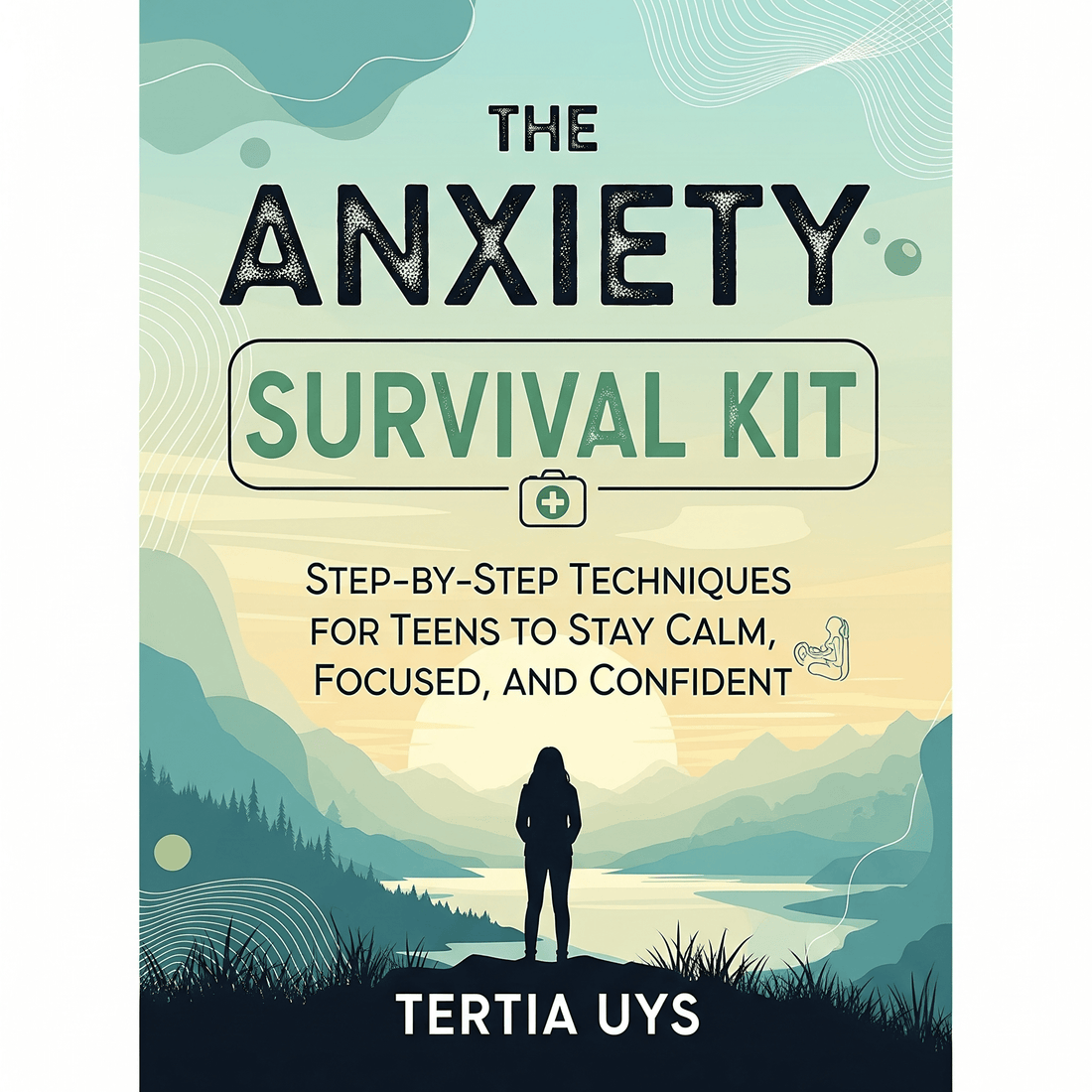
But here's the truth: You're not alone. Anxiety disorders affect 1 in 3 teens, making it the most common mental health challenge young people face. And more importantly—anxiety is manageable. You can learn to debug the anxious programs running in your mind and take back control. The Anxiety Survival Kit is your teen-friendly guide to understanding and managing anxiety through the relatable story of Maya, a young coder battling both error messages on her screen and the looping anxiety in her mind.
Understanding Teen Anxiety: What's Really Happening
Knowledge is power when it comes to managing anxiety.
What Anxiety Actually Is
The Brain's Alarm System
Anxiety is your brain's threat detection system—it's supposed to keep you safe. The problem? Sometimes it goes into overdrive, sounding alarms when there's no real danger.
- Fight-flight-freeze response: Your body preparing for danger
- Amygdala activation: The fear center of your brain taking over
- Cortisol and adrenaline: Stress hormones flooding your system
- Physical symptoms: Your body's natural response to perceived threat
Why Teens Are Especially Vulnerable
- Brain development: Your prefrontal cortex (rational thinking) isn't fully developed until mid-20s
- Hormonal changes: Puberty affects mood and emotional regulation
- Social pressures: Peer relationships and social status matter intensely
- Academic stress: Pressure to perform and plan for future
- Social media: Constant comparison and FOMO
- World events: Climate change, school safety, political division
Types of Anxiety Teens Experience
Generalized Anxiety Disorder (GAD)
- Excessive worry about multiple things
- Difficulty controlling the worry
- Physical symptoms (muscle tension, fatigue, restlessness)
- Interferes with daily life
- Lasts for months
Social Anxiety
- Intense fear of social situations
- Worry about being judged or embarrassed
- Avoiding social interactions
- Physical symptoms in social settings
- Difficulty making or keeping friends
Panic Disorder
- Sudden, intense panic attacks
- Physical symptoms (racing heart, shortness of breath, dizziness)
- Fear of having another panic attack
- Avoiding places where attacks have occurred
Specific Phobias
- Intense fear of specific things (heights, flying, needles, etc.)
- Fear is disproportionate to actual danger
- Avoidance of the feared object or situation
Performance Anxiety
- Fear of performing in front of others
- Test anxiety
- Sports performance anxiety
- Stage fright or presentation anxiety
Recognizing Your Anxiety Patterns
Understanding your specific anxiety helps you manage it better.
Common Anxiety Triggers
School-Related Triggers
- Tests and exams
- Presentations or public speaking
- Group projects and social dynamics
- Academic pressure and grades
- College applications and future planning
- Teacher interactions
Social Triggers
- Parties or large gatherings
- Meeting new people
- Texting or calling someone
- Being called on in class
- Eating in front of others
- Social media interactions
Personal Triggers
- Conflict with parents or friends
- Relationship issues
- Body image concerns
- Health worries
- Change or uncertainty
- Being alone or separated from safe people
Physical Symptoms of Anxiety
What Your Body Does
- Racing or pounding heart
- Shortness of breath or feeling like you can't breathe
- Chest tightness or pain
- Dizziness or lightheadedness
- Nausea or stomach problems
- Sweating or chills
- Trembling or shaking
- Muscle tension
- Headaches
- Fatigue
Why These Symptoms Happen
- Your body is preparing to fight or flee
- Blood flow redirects to major muscles
- Breathing changes to get more oxygen
- Digestion slows (not needed for survival)
- Senses heighten to detect danger
Understanding this helps you recognize: These symptoms are uncomfortable but not dangerous. Your body is doing what it's designed to do—it's just doing it at the wrong time.
Thought Patterns That Feed Anxiety
Catastrophizing
- Jumping to worst-case scenarios
- 'If I fail this test, I'll fail the class, won't get into college, and my life will be ruined'
- Imagining disasters that are unlikely to happen
Mind Reading
- Assuming you know what others are thinking
- 'They definitely think I'm weird'
- 'Everyone is judging me'
Fortune Telling
- Predicting negative outcomes
- 'I know I'm going to mess this up'
- 'It's definitely going to be terrible'
All-or-Nothing Thinking
- 'If it's not perfect, it's worthless'
- 'I either do it perfectly or I'm a failure'
Practical Anxiety Management Techniques
Tools you can use when anxiety hits.
Immediate Calming Techniques
Breathing Exercises
Box Breathing (4-4-4-4):
- Breathe in for 4 counts
- Hold for 4 counts
- Breathe out for 4 counts
- Hold for 4 counts
- Repeat 4-5 times
4-7-8 Breathing:
- Breathe in through nose for 4
- Hold for 7
- Breathe out through mouth for 8
- Repeat 3-4 times
Grounding Techniques
5-4-3-2-1 Method:
- Name 5 things you can see
- Name 4 things you can touch
- Name 3 things you can hear
- Name 2 things you can smell
- Name 1 thing you can taste
Physical Grounding:
- Hold ice or splash cold water on face
- Stomp your feet on the ground
- Squeeze a stress ball
- Touch different textures
Quick Distraction Techniques
- Count backwards from 100 by 7s
- Name all the states/countries you can think of
- List items in a category (animals, foods, etc.)
- Focus intensely on an object and describe it in detail
- Listen to a specific song
Challenging Anxious Thoughts
The Thought Record
- Identify the thought: What am I thinking?
- Evidence for: What makes me think this is true?
- Evidence against: What suggests it might not be true?
- Alternative thought: What's a more balanced way to think about this?
- How I feel now: Did my anxiety decrease?
Reality Testing Questions
- What's the actual evidence for this thought?
- Am I confusing a thought with a fact?
- What would I tell a friend who had this thought?
- What's the worst that could realistically happen?
- If it did happen, how would I cope?
- What's the best that could happen?
- What's most likely to happen?
Long-Term Anxiety Management
Building a Routine
- Sleep: 8-10 hours, consistent schedule
- Exercise: 30 minutes most days (releases anxiety)
- Nutrition: Regular meals, limit caffeine and sugar
- Relaxation: Daily practice of calming techniques
- Social connection: Regular time with supportive people
Gradual Exposure
Facing fears in small, manageable steps:
- List situations that trigger anxiety (rate 1-10)
- Start with lowest-rated situation
- Expose yourself gradually and repeatedly
- Stay in situation until anxiety decreases
- Move to next level when ready
- Celebrate progress
Mindfulness Practice
- Daily meditation (even 5 minutes helps)
- Mindful breathing throughout the day
- Body scan relaxation
- Mindful walking or eating
- Observing thoughts without judgment
Coping Strategies for Specific Situations
Practical tools for common anxiety scenarios.
School Anxiety
Test Anxiety
- Prepare thoroughly (reduces uncertainty)
- Practice relaxation before and during test
- Read through entire test first
- Start with easier questions
- Use breathing if panic hits
- Remember: one test doesn't define you
Presentation Anxiety
- Practice multiple times
- Focus on message, not perfection
- Use note cards if allowed
- Make eye contact with friendly faces
- Remember everyone wants you to succeed
- Breathe and pause when needed
Social Anxiety at School
- Arrive early to settle in
- Have a buddy or safe person
- Practice small talk scripts
- Focus on listening, not performing
- Take breaks when overwhelmed
- Remember: most people are focused on themselves
Social Situations
Parties or Gatherings
- Go with a friend
- Have an exit plan
- Set a time limit
- Find a role (help with food, DJ, etc.)
- Take breaks outside or in bathroom
- It's okay to leave early
Making New Friends
- Start with shared interests or activities
- Ask questions about them
- Share small things about yourself
- Remember: rejection isn't personal
- Quality over quantity in friendships
Panic Attacks
During a Panic Attack
- Remind yourself: This is anxiety, not danger
- It will pass (usually peaks in 10 minutes)
- Focus on breathing
- Ground yourself physically
- Don't fight it—let it pass through
- Move to a safe, quiet space if possible
After a Panic Attack
- Be gentle with yourself
- Rest and recover
- Don't avoid the situation forever
- Reflect on what triggered it
- Practice coping skills for next time
Building Resilience and Confidence
Long-term strategies for managing anxiety.
Developing a Growth Mindset
- Anxiety is something you're learning to manage, not a permanent flaw
- Setbacks are part of the process
- Progress isn't linear
- You're building skills that take time
- Celebrate small wins
Self-Compassion
Talking to Yourself Kindly
- Notice harsh self-talk
- Ask: Would I say this to a friend?
- Replace criticism with encouragement
- Acknowledge that struggling is human
- Treat yourself with the kindness you deserve
Building Your Support System
Who Can Help
- Friends: People who get it and support you
- Family: Parents, siblings, or relatives you trust
- School counselor: Trained to help with teen mental health
- Therapist: Professional support and coping strategies
- Support groups: Other teens dealing with anxiety
- Online communities: (with caution) can reduce isolation
How to Ask for Help
- Choose someone you trust
- Pick a good time to talk
- Be honest about what you're experiencing
- Be specific about what help you need
- Don't give up if first person doesn't help
When to Seek Professional Help
Knowing when you need more support.
Signs You Should Talk to a Professional
- Anxiety interfering with school, friendships, or daily life
- Avoiding important activities due to anxiety
- Panic attacks happening regularly
- Physical symptoms that won't go away
- Can't manage anxiety with self-help strategies
- Feeling hopeless or depressed
- Thoughts of self-harm
- Using substances to cope
Types of Professional Help
Therapy Options
- Cognitive Behavioral Therapy (CBT): Evidence-based for anxiety
- Exposure therapy: Gradually facing fears
- Acceptance and Commitment Therapy (ACT): Accepting anxiety while living your values
- Group therapy: Support from peers with similar struggles
Medication
- Can be helpful for some teens
- Usually combined with therapy
- Prescribed and monitored by psychiatrist
- Not a sign of weakness
- Discuss options with parents and doctor
Resources for Teens
- Crisis Text Line: Text HOME to 741741
- National Suicide Prevention Lifeline: 988
- Teen Line: 1-800-852-8336 (6-10pm PT) or text TEEN to 839863
- School counselor: Free and accessible
- Online therapy: BetterHelp, Talkspace (with parent permission)
Your Anxiety Survival Kit
Anxiety doesn't have to control your life. You can learn to manage it, reduce its impact, and build the confidence to face whatever comes your way. The Anxiety Survival Kit provides:
- Relatable story format that makes learning engaging
- Understanding of what anxiety is and why it happens
- Practical techniques for immediate anxiety relief
- Strategies for managing anxiety in school and social situations
- Tools for challenging anxious thoughts
- Long-term resilience building
- Guidance on when and how to seek help
- Hope that you can take back control
As an instant digital download, you can start learning anxiety management strategies today. No more feeling controlled by worry. No more avoiding life because of fear. No more believing anxiety defines you.
Debug Your Anxiety Today
You're not broken. You're not weak. You're dealing with something real and challenging—and you can learn to manage it.
Ready to take back control from anxiety? Get your instant digital download of The Anxiety Survival Kit and start your journey to managing worry and building confidence today.
Anxiety is just a program running in the background. You can learn to debug it and take back control of your life.
Crisis Resources: If you're in crisis or having thoughts of self-harm or suicide, please reach out immediately. Text HOME to 741741 (Crisis Text Line), call or text 988 (Suicide and Crisis Lifeline), call Teen Line at 1-800-852-8336, or tell a trusted adult. You matter, and help is available 24/7.