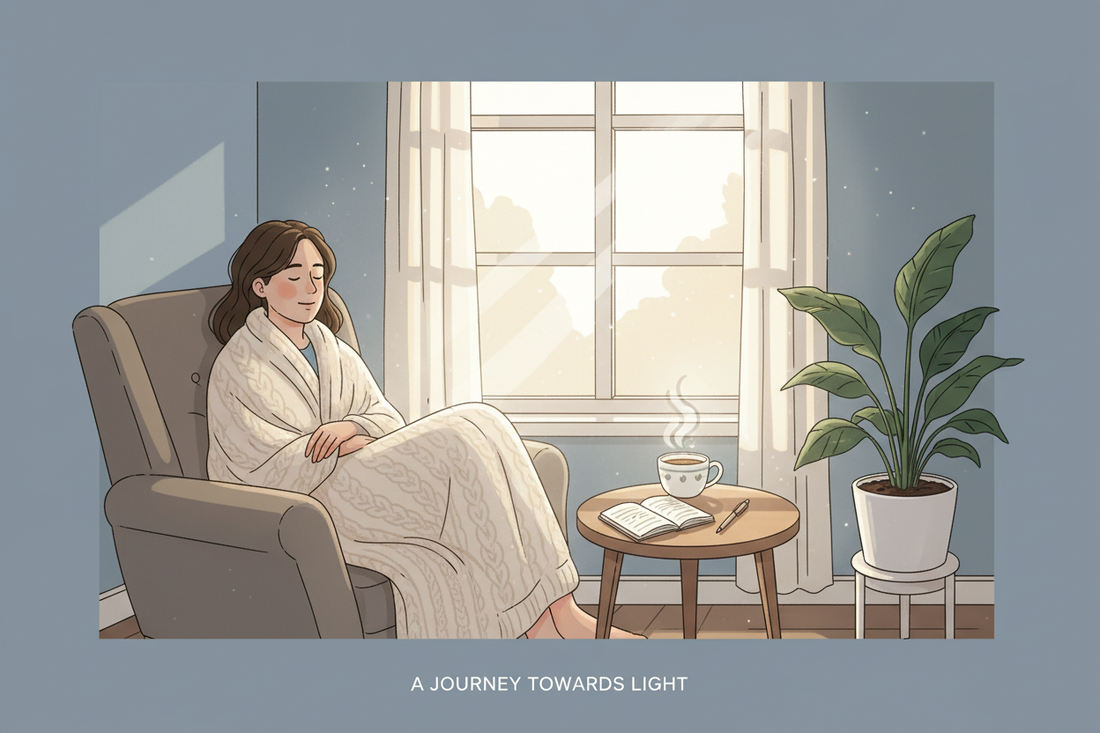
Depression is one of the most common yet misunderstood mental health conditions, affecting millions of people across all ages, backgrounds, and life circumstances. It's more than just feeling sad or having a bad day—depression is a complex condition that impacts thoughts, emotions, physical health, and daily functioning. At Thrive Together eBooks, we've created compassionate, evidence-based digital resources to help you understand, navigate, and heal from depression at every stage of life.
What Is Depression? Beyond the Misconceptions
Depression is a serious mental health condition characterized by persistent feelings of sadness, hopelessness, emptiness, or numbness. It can manifest as loss of interest in activities once enjoyed, changes in sleep and appetite, fatigue, difficulty concentrating, feelings of worthlessness, and in severe cases, thoughts of self-harm or suicide.
Depression isn't a sign of weakness, a character flaw, or something you can simply "snap out of." It's a legitimate medical condition with biological, psychological, and environmental components. The encouraging news? Depression is highly treatable, and with the right support, tools, and strategies, recovery is absolutely possible.
Quiet Between Heartbeats: Your Comprehensive Depression Guide
Our flagship depression resource, Quiet Between Heartbeats - Depression Guide, offers a compassionate, thorough approach to understanding and overcoming depression. This comprehensive guide provides:
Understanding Your Depression
- Types of Depression: Learn about major depressive disorder, persistent depressive disorder (dysthymia), seasonal affective disorder, and situational depression
- Recognizing Symptoms: Identify emotional, physical, cognitive, and behavioral signs of depression
- Understanding Causes: Explore the complex interplay of genetics, brain chemistry, life events, and environmental factors
- The Depression Cycle: Understand how negative thoughts, behaviors, and emotions reinforce each other
Evidence-Based Treatment Approaches
- Cognitive Behavioral Therapy (CBT) Techniques: Learn to identify and challenge depressive thought patterns
- Behavioral Activation: Step-by-step guidance for overcoming inertia and re-engaging with life
- Mindfulness-Based Approaches: Practices to reduce rumination and increase present-moment awareness
- Interpersonal Strategies: Improve relationships and build supportive connections
- Problem-Solving Skills: Address life challenges that contribute to or maintain depression
Practical Daily Tools
- Mood Tracking: Monitor patterns and identify triggers
- Activity Scheduling: Structure your days to include meaningful, mood-boosting activities
- Thought Records: Document and challenge negative automatic thoughts
- Self-Care Routines: Build sustainable habits for sleep, nutrition, movement, and connection
- Crisis Management: Strategies for managing suicidal thoughts and knowing when to seek emergency help
Building Long-Term Resilience
- Relapse Prevention: Recognize early warning signs and create a wellness action plan
- Lifestyle Modifications: Optimize sleep, exercise, nutrition, and stress management
- Meaning and Purpose: Reconnect with values and build a life worth living
- Support Systems: Cultivate relationships and know when to seek professional help
This guide is designed for anyone experiencing depression, whether you're newly diagnosed, have been struggling for years, or are supporting someone with depression. It provides both understanding and actionable strategies to move from darkness toward light.
Teen Depression: Specialized Support for Adolescents
Depression in teenagers often looks different than adult depression and requires age-appropriate understanding and intervention. Our Halfway to Fine - Teen Mental Health Guide addresses the unique challenges adolescents face with depression.
Why Teens Are Vulnerable to Depression
Adolescence is a period of intense physical, emotional, and social change. Teens face unique pressures including:
- Hormonal changes and brain development
- Academic stress and performance pressure
- Social media comparison and cyberbullying
- Identity formation and peer acceptance concerns
- Family conflict and increasing independence
- Uncertainty about the future
What This Guide Offers Teens
- Recognizing Depression: Understand the difference between normal mood swings and clinical depression
- Breaking the Silence: Overcome stigma and learn how to talk about mental health
- Coping Strategies: Age-appropriate techniques for managing depressive symptoms
- Social Connection: Navigate friendships and relationships while dealing with depression
- School and Depression: Strategies for maintaining academic performance and communicating with teachers
- Digital Wellness: Manage social media use and online pressures
- Asking for Help: Know when and how to reach out to parents, counselors, or professionals
- Building Hope: Develop resilience and envision a positive future
Written in accessible, non-patronizing language, this guide empowers teens to understand their mental health and take active steps toward healing. It's also an invaluable resource for parents, educators, and counselors supporting depressed adolescents.
Perinatal Depression: Support for Pregnancy and Postpartum
Depression during pregnancy and after childbirth is more common than many realize, affecting up to 1 in 7 women. These periods of profound physical and emotional change can trigger or worsen depression, yet many women suffer in silence due to shame, guilt, or fear of judgment.
Pregnancy Depression: The Calm Within
Our The Calm Within - Pregnancy Mental Health Guide provides essential support for expectant mothers experiencing depression or anxiety during pregnancy. This specialized resource addresses:
- Understanding Prenatal Depression: Recognize symptoms and understand you're not alone
- Hormonal and Physical Changes: How pregnancy affects mood and mental health
- Managing Worry and Fear: Address concerns about childbirth, parenting, and baby's health
- Safe Treatment Options: Understand therapy, medication considerations, and alternative approaches during pregnancy
- Self-Care During Pregnancy: Nutrition, movement, rest, and stress management strategies
- Building Support: Communicate needs to partners, family, and healthcare providers
- Preparing Mentally: Develop coping skills for labor, delivery, and early parenthood
- Bonding with Baby: Nurture connection even when depression makes it difficult
Postpartum Depression: Healing Your Mind After Baby
The postpartum period can be one of the most vulnerable times for depression. Our Postpartum Mental Health: Healing Your Mind After Baby offers comprehensive support for new mothers navigating this challenging time:
- Recognizing Postpartum Depression: Distinguish between baby blues, postpartum depression, and postpartum psychosis
- Common Symptoms: Understand crying spells, irritability, difficulty bonding, intrusive thoughts, and feelings of inadequacy
- Risk Factors: Identify what makes some women more vulnerable to postpartum depression
- The Impact of Sleep Deprivation: Understand and manage the mental health effects of interrupted sleep
- Bonding Challenges: Strategies for connecting with your baby even when depression interferes
- Partner and Family Support: How to communicate your needs and build your support network
- Self-Care as a New Mom: Practical strategies for meeting your own needs while caring for a newborn
- Treatment Options: Therapy, medication, support groups, and alternative approaches
- Returning to Yourself: Rebuild identity and confidence beyond motherhood
- When to Seek Help: Recognize warning signs and access emergency support
Both guides emphasize that experiencing depression during pregnancy or postpartum doesn't make you a bad mother—it makes you human. With proper support and treatment, you can heal and thrive in your new role.
Mindfulness: A Powerful Tool for Depression Recovery
Research consistently demonstrates that mindfulness-based interventions are highly effective for treating depression and preventing relapse. Our Mindfulness Guide - Meditation & Present Living teaches you how to use mindfulness to interrupt depressive thought patterns and reconnect with the present moment.
How Mindfulness Helps Depression
- Breaks Rumination Cycles: Depression often involves repetitive negative thinking about the past or future; mindfulness anchors you in the present
- Creates Distance from Thoughts: Learn to observe depressive thoughts without believing or acting on them
- Reduces Emotional Reactivity: Develop the ability to experience difficult emotions without being overwhelmed
- Increases Self-Compassion: Replace harsh self-criticism with kindness and understanding
- Enhances Awareness: Notice early warning signs of depression before they escalate
- Promotes Acceptance: Reduce the suffering that comes from fighting against reality
What You'll Learn
- Foundational mindfulness principles and practices
- Guided meditation techniques for beginners and experienced practitioners
- Mindful breathing exercises to use during difficult moments
- Body scan practices to reconnect with physical sensations
- Mindful movement and walking meditation
- Bringing mindfulness to daily activities like eating, showering, and working
- Building a sustainable meditation practice that fits your life
Mindfulness isn't about forcing positive thinking or eliminating depression—it's about changing your relationship with your thoughts and emotions so they have less power over you.
Recognizing Depression in Children: A Parent's Guide
Depression doesn't only affect adults and teens—children can experience depression too, though it often manifests differently. Our Seeing the Signs - A Guide to Understanding Mental Health helps parents recognize, understand, and respond to mental health concerns including depression in their children.
Signs of Depression in Children
- Persistent sadness, irritability, or anger
- Loss of interest in activities they once enjoyed
- Changes in sleep patterns or appetite
- Difficulty concentrating or declining school performance
- Physical complaints (headaches, stomachaches) without medical cause
- Social withdrawal or isolation
- Low self-esteem or excessive guilt
- Talk of death, dying, or self-harm
What Parents Will Learn
- Early Recognition: Identify warning signs across different developmental stages
- Age-Appropriate Conversations: How to talk to children about mental health and emotions
- Creating Safety: Build an environment where children feel comfortable sharing struggles
- When to Seek Help: Know when professional intervention is needed
- Supporting Treatment: How to work with therapists, schools, and healthcare providers
- Family Dynamics: Address how family stress and patterns impact children's mental health
- Building Resilience: Teach coping skills and emotional regulation
- Self-Care for Parents: Manage your own stress while supporting a child with depression
Early identification and intervention can make a profound difference in a child's mental health trajectory. This guide empowers parents to be informed, compassionate advocates for their children's wellbeing.
Why Choose Our Depression Resources?
Evidence-Based and Compassionate: Our guides combine proven therapeutic approaches (CBT, mindfulness, behavioral activation) with deep empathy and understanding for what you're experiencing.
Comprehensive Coverage: From understanding depression to overcoming it, from childhood through adulthood, from general depression to perinatal-specific support—we address the full spectrum.
Practical and Actionable: These aren't just informational—every resource includes specific techniques, exercises, worksheets, and tools you can implement immediately.
Life-Stage Appropriate: Specialized resources for children, teens, pregnant women, new mothers, and adults ensure relevant, targeted support.
Reduces Stigma: Our guides normalize depression, emphasize that it's treatable, and encourage seeking help without shame.
Instant Access: Download immediately and begin your healing journey today—no waiting for appointments or shipping.
Affordable Support: Professional therapy is invaluable but can be expensive or inaccessible. Our resources provide high-quality guidance at accessible prices and can complement professional treatment.
Privacy and Flexibility: Work through materials at your own pace, in your own space, on your own timeline.
The Path from Darkness to Light
Living with depression can feel like being trapped in darkness, unable to see a way forward. It can rob you of joy, energy, connection, and hope. But here's the truth: depression is not a life sentence. Recovery is possible. Healing is real. And you don't have to walk this path alone.
Whether you're experiencing your first depressive episode or have been struggling for years, whether you're a teen feeling misunderstood or a new mother overwhelmed by unexpected emotions, whether you're supporting a child with depression or seeking help for yourself—our resources provide the knowledge, tools, and hope you need to move forward.
You Deserve Support and Healing
Depression often tells lies: that you're alone, that nothing will help, that you're broken beyond repair, that you don't deserve to feel better. None of these are true. You deserve support, compassion, effective treatment, and the opportunity to heal. You deserve to experience joy, connection, purpose, and peace again.
Start Your Healing Journey Today
Don't let depression steal another day from your life. Explore our complete depression support collection at digitaldivas.shop and find the resources that speak to your specific situation. Whether you start with the comprehensive Quiet Between Heartbeats guide, address perinatal depression, support a teen, or learn mindfulness practices, you're taking a courageous and powerful step toward healing.
Every download is an investment in your mental health, your future, and your wellbeing. You are worth the effort. Recovery is possible. Hope is real.
Important Note: While our resources provide valuable education and self-help strategies, they are not a substitute for professional mental health care. If you're experiencing severe depression, suicidal thoughts, or crisis, please reach out to a mental health professional, call a crisis hotline, or go to your nearest emergency room. You deserve immediate, professional support.
You are not alone. You are not broken. You are worthy of healing. Start today.