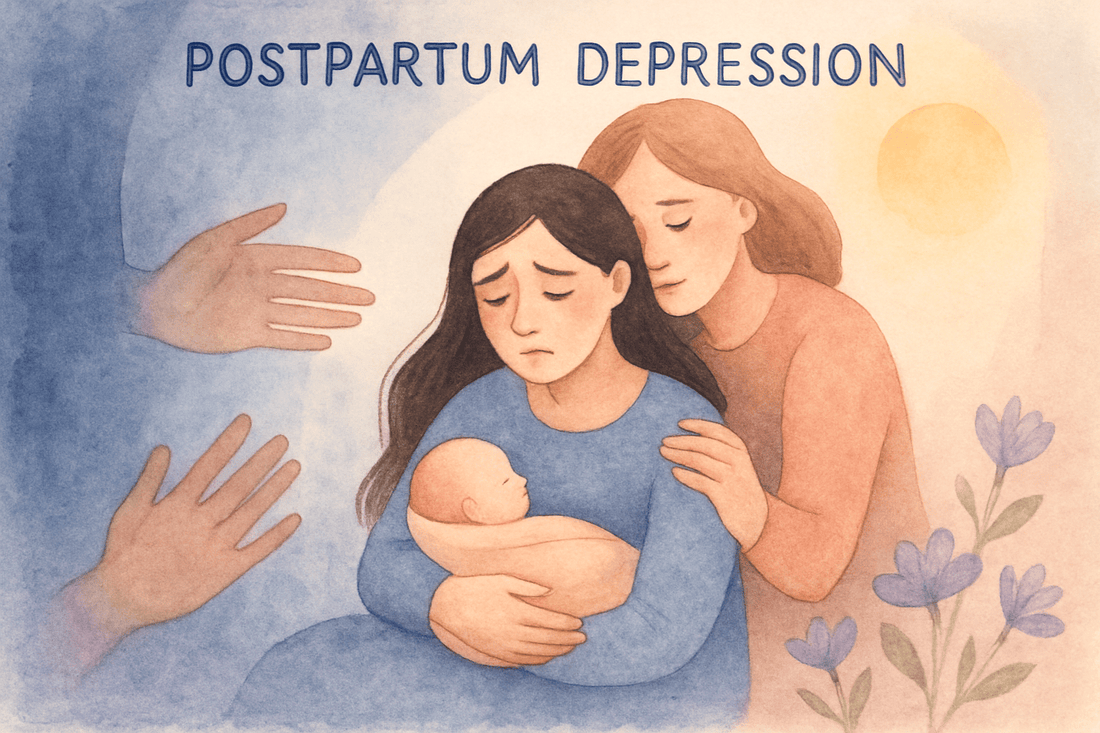
Becoming a parent is often portrayed as a time of pure joy, but for many new mothers, the reality includes unexpected emotional challenges. Postpartum depression (PPD) affects approximately 1 in 7 women, and it's important to recognize that experiencing it doesn't make you a bad parent—it makes you human.
What is Postpartum Depression?
Postpartum depression is more than the "baby blues." While many new mothers experience mood swings and tearfulness in the first few weeks after birth, PPD is a more serious condition that can develop within the first year after childbirth. It involves persistent feelings of sadness, anxiety, and exhaustion that can interfere with daily functioning and bonding with your baby.
Common Signs and Symptoms
Recognizing the signs of postpartum depression is the first step toward getting help. Symptoms may include:
- Persistent sadness, hopelessness, or feeling overwhelmed
- Loss of interest in activities you once enjoyed
- Difficulty bonding with your baby
- Changes in appetite or sleep patterns (beyond normal newborn disruptions)
- Intense irritability or anger
- Feelings of worthlessness or guilt
- Difficulty concentrating or making decisions
- Thoughts of harming yourself or your baby
You Are Not Alone
It's crucial to understand that postpartum depression is not your fault. Hormonal changes, sleep deprivation, and the enormous life adjustment of caring for a newborn all contribute to PPD. Many factors can increase risk, including a history of depression, lack of support, or a difficult birth experience.
Seeking Help and Support
If you're experiencing symptoms of postpartum depression, reaching out for help is a sign of strength, not weakness. Here are some steps you can take:
- Talk to your healthcare provider: They can assess your symptoms and recommend treatment options, which may include therapy, medication, or both.
- Connect with other mothers: Support groups, whether in-person or online, can help you feel less isolated.
- Accept help: Let family and friends assist with household tasks, meals, or childcare.
- Prioritize self-care: Even small acts like taking a shower, going for a walk, or resting when possible can make a difference.
- Be patient with yourself: Recovery takes time, and healing isn't linear.
For Partners and Loved Ones
If someone you love is experiencing postpartum depression, your support matters immensely. Listen without judgment, help with practical tasks, encourage them to seek professional help, and remind them that they're doing their best.
There is Hope
Postpartum depression is treatable, and with proper support and care, you can recover and enjoy motherhood. Remember: asking for help is not a sign of failure—it's an act of love for both yourself and your baby.
If you're having thoughts of harming yourself or your baby, please seek immediate help by calling emergency services or a crisis hotline in your area.